Desert landscapes, despite common perceptions, offer a unique blend of natural wonders attracting global real estate development. These areas provide valuable insights into sustainable design and climate change adaptation. Real estate professionals are leveraging desert data for innovative urban planning, integrating eco-friendly practices while mitigating environmental impacts. Balancing development with conservation is vital to preserving these ecosystems, with successful initiatives showcasing the potential for thriving communities and protected natural attractions through sustainable tourism and real estate practices.
Desert landscapes, with their striking beauty and vast expanses, have long captivated visitors seeking unique experiences. However, the rapid growth of tourism has put immense pressure on these fragile ecosystems, impacting both local communities and real estate development. This article delves into the challenge of balancing environmental preservation and economic growth in iconic desert destinations. We explore innovative strategies that not only sustain but enhance these natural wonders, ensuring their longevity for future generations while fostering responsible tourism and intelligent real estate practices.
Unveiling Desert's Allure: Nature's Real Estate Marvels

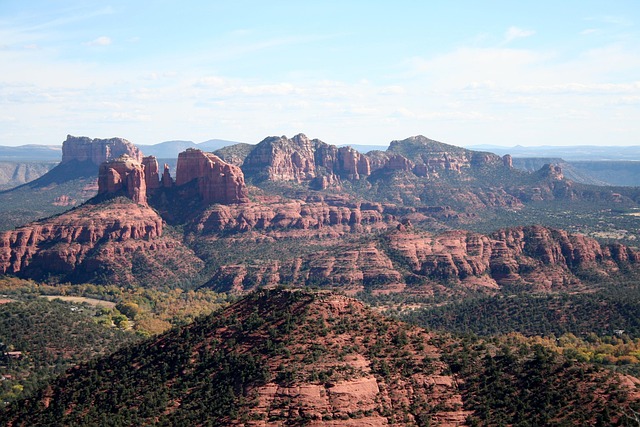
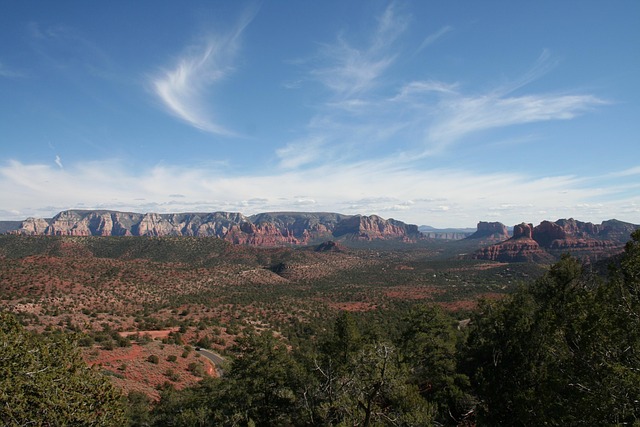
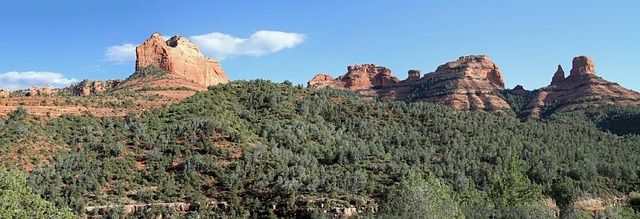
Desert landscapes, with their otherworldly beauty and vast expanses, have long captivated visitors from around the globe. These arid regions, often misunderstood as barren wastelands, offer a unique blend of natural wonders that are truly awe-inspiring. From towering sand dunes to rugged mountain ranges, deserts present an intriguing mix of challenges and rewards for adventurers and nature enthusiasts alike. One of the most captivating aspects is their real estate marvels—geographical features that showcase nature’s ingenuity and dramatic creativity.
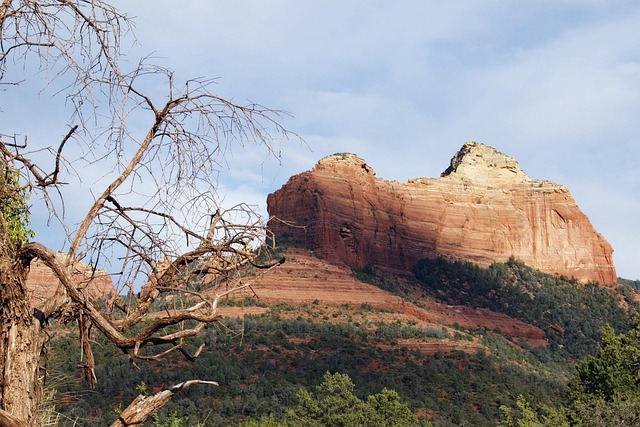
Consider the iconic landscapes like those found in Utah’s Arches National Park, where over 2,000 natural sandstone arches stand as a testament to erosion. These formations are not just visually stunning; they also provide insights into geological processes that have shaped our planet over millions of years. Similarly, Death Valley National Park in California offers extreme environmental conditions and unique rock formations like Mesas and buttes, creating a surreal terrain that seems plucked from a science fiction novel. These natural wonders not only attract photographers and filmmakers but also serve as inspiration for architects and designers seeking to blend modern structures with the existing desert aesthetics.
For real estate professionals, deserts offer valuable lessons in sustainable development. The extreme conditions of heat, drought, and limited resources necessitate innovative solutions for construction and land management. Incorporating native vegetation, efficient water usage, and energy-efficient designs are not just environmental imperatives but also strategic investments. By studying the resilience and beauty of desert landscapes, developers can create harmonious blends of nature and human-made environments that respect the local ecosystem while enhancing property values. Additionally, data from desert regions can inform strategies for managing urban heat islands and mitigating the impacts of climate change in more temperate areas.
Iconic Landscapes: Attracting Visitors, Driving Real Estate Trends

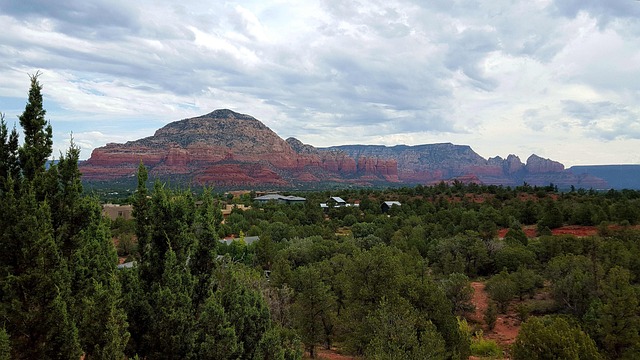
The world’s iconic desert landscapes have long captivated visitors with their vast expanses, unique geological formations, and serene beauty. These destinations, from the Sahara to the Mojave, offer not just aesthetic allure but also serve as powerful draws for real estate trends. The allure of desert living, often characterized by open spaces, stunning sunsets, and a slower pace, has led to significant development in once-remote areas. Real estate investors and developers have recognized the potential of these landscapes, transforming them into desirable destinations for permanent homes and vacation retreats.
The rise of luxury desert resorts and private villa rentals is a testament to this trend. For instance, the Coachella Valley in California has experienced substantial growth due to its ability to attract a diverse range of visitors. The region’s iconic palm oases and rugged mountains have inspired architects and designers to create modern retreats that blend seamlessly with the natural surroundings. This fusion of luxury and landscape has not only elevated the real estate market but also fostered a sense of community among residents and tourists alike. Moreover, sustainable development practices are increasingly incorporated into desert projects, showcasing an awareness of preserving these fragile ecosystems while catering to growing demand.
To capitalize on this trend, developers must prioritize responsible land use and embrace innovative design strategies. Incorporating native vegetation, utilizing passive cooling techniques, and integrating renewable energy sources can mitigate the environmental impact while enhancing the overall livability of desert properties. For real estate professionals, understanding local regulations and collaborating with experts in sustainable design is crucial to meeting the demands of discerning buyers seeking unique, eco-conscious homes. The iconic desert landscape not only inspires but also drives a new era of residential development, offering both opportunities and challenges for those navigating this dynamic market.
Sustaining Beauty: The Role of Conservation in Desert Real Estate

The world’s deserts, with their vast expanses of sand and rugged terrain, are captivating landscapes that draw millions of visitors each year. These iconic destinations not only offer breathtaking views but also play a crucial role in shaping local economies through real estate development. However, as desert regions become increasingly popular, the pressure on their delicate ecosystems intensifies. This raises critical questions about how to balance conservation efforts with economic growth in these vulnerable environments.
Sustainable tourism and responsible real estate development are essential to preserving the beauty of desert landscapes for future generations. Conservation strategies must be implemented to protect the unique flora and fauna that thrive in these harsh conditions. For instance, strict regulations on off-road vehicles in sensitive areas can prevent soil erosion and maintain the pristine integrity of canyons and dunes. Additionally, encouraging eco-friendly accommodations and infrastructure can minimize the ecological footprint of tourism. Many successful models exist, such as the conservation-focused resorts in parts of the Sahara and Arabian Deserts, which showcase how real estate development can coexist harmoniously with nature.
Real estate developers have a pivotal role to play in ensuring the longevity of these landscapes. Incorporating sustainable practices from the design phase onwards is vital. This includes utilizing native building materials, implementing efficient water management systems, and adopting renewable energy sources. By integrating conservation into their business models, developers can create thriving ecosystems that support local communities while preserving the natural beauty that attracts visitors. For example, in some desert regions, community-led initiatives have led to the restoration of oases and the development of sustainable agriculture, diversifying local economies and fostering a deeper connection between residents and their unique environment.