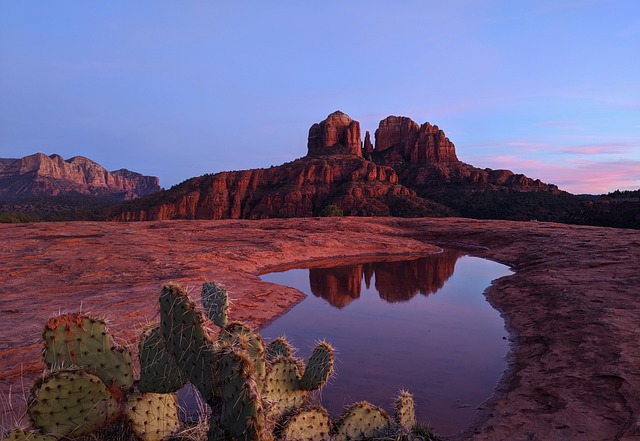
Desert landscapes present a unique opportunity for real estate innovation, offering distinct beauty and natural attractions. Developers can create exclusive destinations by incorporating eco-friendly practices, modern amenities, and sustainable infrastructure. Balancing tourism growth with conservation is crucial, ensuring the longevity of these environments while providing authentic nature experiences. Real estate naturally plays a vital role in preserving biodiversity and cultural heritage through harmonious development.
The allure of iconic desert landscapes captivates visitors worldwide, presenting a unique opportunity for real estate development. However, the challenge lies in balancing preservation with progress, ensuring these fragile ecosystems thrive while offering memorable experiences. This article delves into strategic approaches that harness the natural beauty of deserts, exploring sustainable practices and innovative design solutions. By examining successful cases, we unveil how developers and architects are crafting destinations that not only inspire but also preserve the intrinsic character of these remarkable landscapes, providing genuine value to both visitors and the environment.
Unveiling Desert Beauty: Real Estate's Unique Selling Points
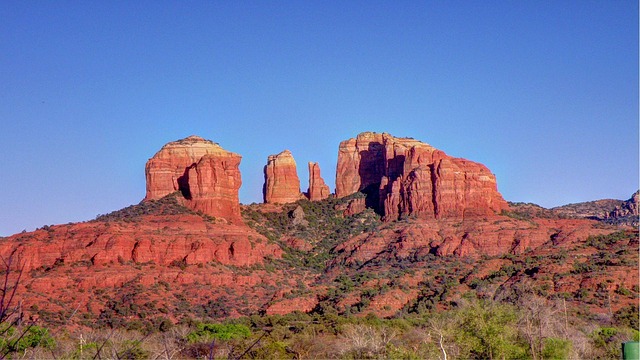
The vast and enigmatic desert landscapes have long captivated visitors from around the globe, drawing them to these remote and rugged terrains for a unique experience. This trend presents an exciting opportunity for the real estate industry, as developers and investors recognize the potential of showcasing and harnessing the natural beauty of these areas. Desert regions, often overlooked in favor of more conventional travel destinations, offer a distinct set of advantages that can be leveraged in real estate marketing and development.
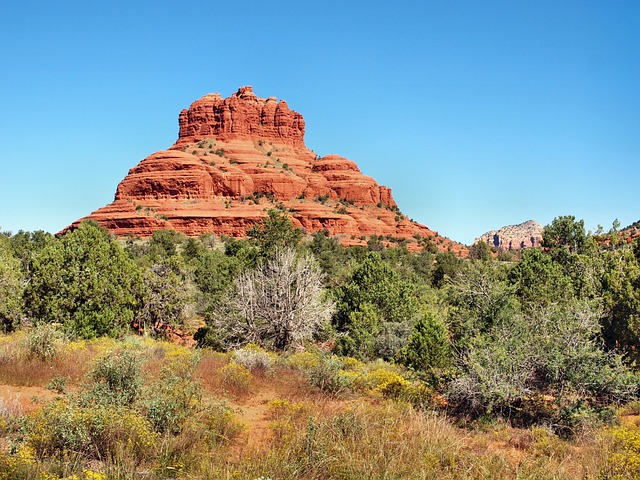
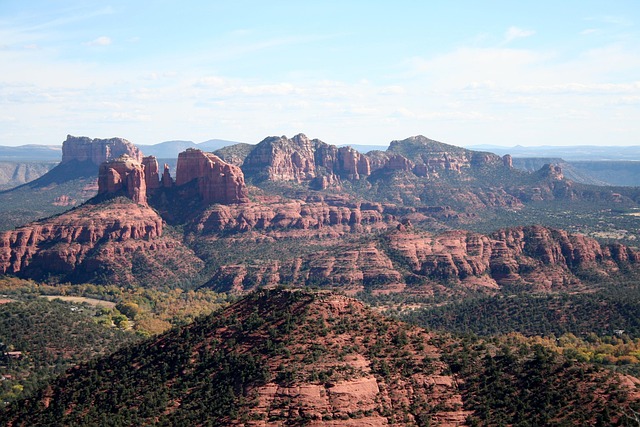
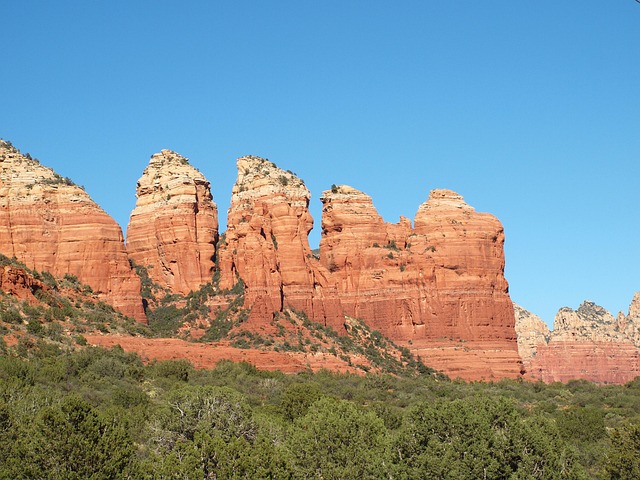
One of the key selling points lies in the uniqueness of the environment. The vast open spaces, dramatic geological formations, and otherworldly colors create a captivating setting that fosters a sense of awe and tranquility. Real estate projects can embrace these features by incorporating natural elements into design, such as using local materials and optimizing outdoor living spaces. For instance, a luxury resort in the Mojave Desert could offer guests private desert retreats with panoramic views, allowing them to immerse themselves in the iconic landscape. This approach not only enhances the guest experience but also positions the property as an exclusive destination.
Furthermore, many deserts are rich in ecological diversity, supporting a variety of plant and animal life that thrive in these harsh conditions. Promoting eco-friendly practices and sustainable development can attract environmentally conscious travelers and residents. Real estate developers can highlight their projects’ commitment to preserving local ecosystems by implementing green building standards and offering educational opportunities for residents to engage with the unique desert environment. Data suggests that nature-oriented tourism is on the rise, indicating a growing demand for destinations that offer authentic experiences in pristine natural settings.
In terms of real estate strategy, showcasing the accessibility and amenities available in these areas is essential. Many deserts are now connected by modern transportation networks, making them more convenient to reach. Developers can emphasize proximity to airports, well-maintained roads, and even high-speed internet connectivity, which might surprise some potential buyers or tenants. Additionally, providing a range of on-site amenities like spas, restaurants, and recreational facilities can cater to diverse visitor preferences while ensuring long-term occupancy and satisfaction.
Iconic Landscapes: Attracting Visitors, Driving Investment

The world’s iconic desert landscapes have long captivated visitors from around the globe, drawing them with their otherworldly beauty and unique geological formations. These stunning environments, characterized by vast expanses of sand, towering dunes, and rugged mountains, offer more than just visual splendor; they have become powerful catalysts for tourism and investment. The allure of deserts as travel destinations has not only boosted local economies but also spurred significant real estate development, transforming these once-remote areas into thriving hubs.
Tourism statistics reveal a consistent surge in visitors seeking desert adventures. For instance, the Sahara Desert in Africa, renowned for its vast expanse, attracts over 3 million tourists annually, many drawn to luxury camps and safari experiences. Similarly, the Arabian Desert has seen a boom in visitor numbers due to activities like dune bashing and camel rides, leading to the establishment of high-end resorts and entertainment complexes. This trend is not limited to traditional desert destinations; even less-explored regions are gaining traction. The Atacama Desert in South America, known for its otherworldly landscapes, has become a hotspot for stargazing tourism, attracting astronomy enthusiasts from worldwide.
The success of these desert destinations lies in their ability to offer unique experiences and showcase the natural wonders that can only be found in such environments. Real estate developers have recognized this potential, investing heavily in sustainable infrastructure and eco-friendly accommodations. By blending luxury with adventure, these projects cater to a growing market of travelers seeking authentic connections with nature. For example, the development of eco-lodge networks across various deserts encourages responsible tourism while providing visitors with unparalleled access to pristine landscapes. As demand continues to rise, experts suggest that carefully planned real estate initiatives can ensure sustainable growth, preserving the delicate ecosystems while maximizing economic benefits for local communities.
Sustaining Deserts: Tourism, Real Estate, and Conservation Balance

The allure of desert landscapes has long captivated visitors from around the globe, drawing them to these vast, untouched regions. However, as desert tourism flourishes, ensuring the sustainability of these ecosystems becomes paramount. Balancing the interests of visitors, local communities, and conservation efforts is a delicate task, particularly in real estate development. The rapid growth of desert-based tourism has led to increased pressure on these fragile environments, highlighting the need for strategic planning and responsible practices.
Sustainable tourism initiatives must address the impact of infrastructure and real estate projects on the desert ecosystem. For instance, constructing eco-friendly accommodations and minimizing disturbances to natural habitats can foster a harmonious relationship between visitors and conservation. Some successful models involve community-led tourism ventures where local populations actively participate in and benefit from tourism activities, encouraging stewardship of their surroundings. Data suggests that when managed effectively, desert tourism can contribute significantly to local economies while preserving cultural heritage and biodiversity.
Moreover, real estate developers have a crucial role in facilitating sustainable practices. Adopting eco-conscious building methods, such as passive cooling techniques and renewable energy sources, can reduce the environmental footprint of resorts and residential developments. Integrating natural landscapes into design aesthetics not only minimizes visual impact but also encourages visitors to appreciate and respect the desert’s unique character. By prioritizing conservation and community engagement, the desert tourism industry can ensure its longevity, allowing future generations to experience these iconic landscapes while preserving their integrity.