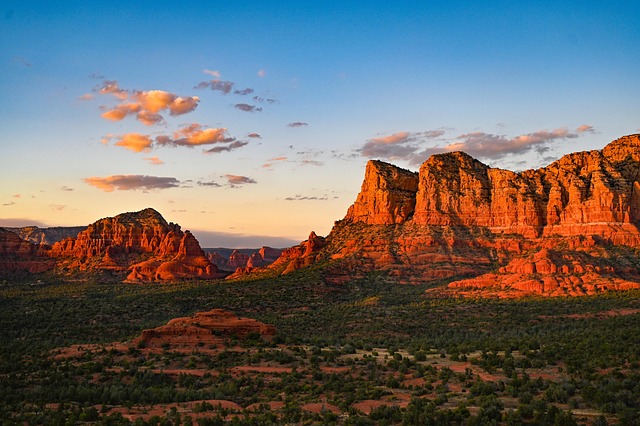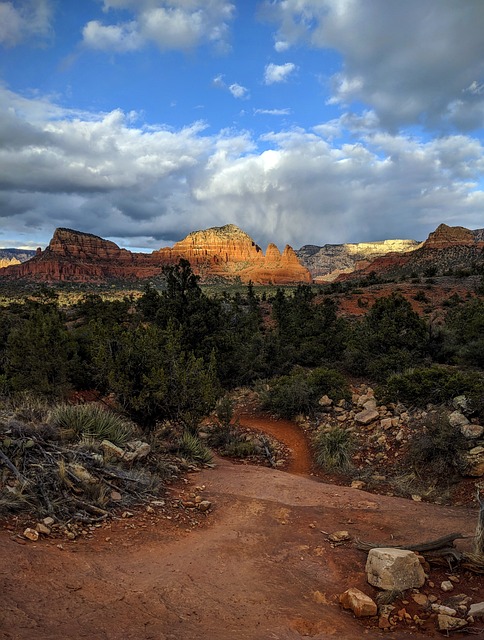
Hiking trails offer breathtaking vistas and unique experiences, enhancing human connection to Nature's real estate. Key takeaways: research scenic routes, plan timing for optimal light, follow sustainable practices, and embrace slow travel. Notable trails like Appalachian and Pacific Crest showcase diverse ecosystems. Proper preparation, including gear and knowledge, ensures enriching memories of stunning landscapes.
In today’s world, where urban landscapes dominate, the allure of hiking trails offering stunning views becomes increasingly significant. These natural escapes not only cater to our innate desire for connection with the outdoors but also present unique opportunities for real estate development that blends seamlessly with the environment. However, the challenge lies in preserving the ecological integrity while enhancing accessibility, ensuring a harmonious coexistence between nature and modern amenities. This article delves into the art of designing and maintaining hiking trails as valuable assets within the real estate sector, providing insights into creating experiences that captivate outdoor enthusiasts and investors alike.
Discovering Breathtaking Views on Hiking Trails

For many, hiking trails are not just paths to follow but gateways to breathtaking vistas that can leave a lasting impression. Discovering stunning views on these trails isn’t merely a chance encounter; it’s an art that requires knowledge of the best routes and an appreciation for nature’s real estate. The most rewarding hikes often present panoramic scenes that capture the essence of the environment, from majestic mountain ranges to serene water bodies and lush landscapes. These visual experiences not only inspire but also foster a deeper connection with the natural world.
Expert hikers and outdoor enthusiasts alike understand that planning is key to maximizing these moments of awe. Researching trails known for their scenic beauty, checking weather conditions, and carrying appropriate gear can significantly enhance the overall experience. For instance, hiking during the golden hours of dawn or dusk often reveals contrasting light and shadow that accentuate landscapes, making it a favorite time among many. Additionally, learning about local flora and fauna can add a layer of curiosity to the journey, encouraging explorers to pause and take in the intricate details of nature’s real estate.
When embarking on these visual quests, consider trails renowned for their diverse ecosystems and varied terrain. For example, the Appalachian Trail in North America offers a spectacular display of changing landscapes, from dense forests to high-altitude meadows. Similarly, Europe’s Camino de Santiago provides pilgrims with a tapestry of rolling hills, quaint villages, and breathtaking coastal views. The key is to seek out trails that not only promise stunning visuals but also respect the environment by adhering to sustainable hiking practices. By doing so, hikers contribute to preserving these natural wonders for future generations to appreciate.
Exploring Nature's Real Estate: Trails to Inspire

Hiking trails offering breathtaking views serve as a gateway to Nature’s real estate—a chance to immerse oneself in the raw beauty of our planet. These routes, meticulously crafted by geological processes over millennia, showcase the world’s diverse landscapes: from majestic mountains shrouded in mist to serene lakes reflecting azure skies. As adventurers traverse these paths, they witness firsthand the intricate interplay between earth, water, and sky, fostering a profound appreciation for nature’s artistry.
Consider the Pacific Crest Trail in the United States, stretching over 2,600 miles from Mexico to Canada, or the renowned Annapurna Circuit in Nepal, weaving through lush valleys and past towering peaks. These trails don’t merely offer scenic views; they provide access to remote areas, enabling encounters with flora and fauna rarely seen in more developed regions. The real estate here is not just about physical space but also about experiencing nature’s untouched essence.
To maximize the benefits of these hiking adventures, several strategies are essential. First, thorough research is key; understanding trail difficulty levels, water sources, and potential hazards ensures a safe and enriching journey. Second, timing is critical; early mornings or late afternoons often present clearer skies and cooler temperatures, enhancing the viewing experience. Lastly, embracing slow travel allows for deeper connection with surroundings. Whether it’s pausing to observe bird migrations or immersing in the scent of wildflowers, these moments become indelible memories etched in Nature’s real estate.
Hiking for Stunning Scenery: A Comprehensive Guide

Hiking offers an unparalleled opportunity to immerse oneself in nature’s breathtaking beauty, with trails worldwide boasting stunning vistas that captivate the senses. For many, the allure lies not just in the physical challenge but in the reward of panoramic landscapes that transform the ordinary into the extraordinary. When considering hiking trails for their scenic value, location becomes a pivotal factor, as diverse geographical regions offer unique visual experiences. From majestic mountain ranges to serene coastal paths, each possesses its own distinct character and natural attractions.
The concept of ‘real estate’ often evokes images of buildings and locations designed for habitation, but in the context of hiking, it refers to the terrain’s inherent value as a natural attraction. A trail meandering through a pristine forest or ascending towards a summit presents not just a recreational activity but an investment in one’s visual experiences. Geographically diverse regions offer a plethora of options; for instance, the Appalachian Trail in North America showcases towering peaks and lush valleys, while Europe’s Camino de Santiago entices with rolling hills and historic villages. Data indicates that hiking trails with scenic appeal contribute significantly to tourism, with many destinations marketing their natural attractions as primary selling points.
To maximize the enjoyment of these visually stunning hikes, hikers should consider preparation and planning. Researching trail descriptions, studying maps, and understanding the terrain’s challenges are essential steps. Additionally, seeking local insights from park rangers or seasoned hikers can unveil lesser-known gems or offer advice on optimal seasons for visual splendor. Equipping oneself with a good pair of hiking boots, appropriate clothing, and a camera to capture the moments enhances the experience. Ultimately, these trails provide not just physical exercise but also an opportunity to reconnect with nature’s real estate, leaving lasting memories of breathtaking landscapes.