Spiritual vortices, high-energy locations promoting growth and healing, drive wellness retreat popularity. Retreats leverage real estate naturally as a key therapeutic component in scenic, nature-immersive settings. Research supports nature's mental and physical health benefits, leading to mindfulness-focused real estate development. Expert designers create holistic environments with unique experiences, sensory stimulation, adaptable minimalist designs, responsible technology, and post-stay inspiration. This trend caters to growing demand for holistic experiences, emphasizing accessibility to natural elements for healing journeys.
In today’s fast-paced world, the pursuit of spiritual well-being has gained prominence as a vital aspect of overall health. The concept of spiritual vortices, believed to be powerful energy centers, has captivated the interest of many seeking transformative experiences. However, navigating this realm can be challenging, with an abundance of retreats and locations promising profound connections. This article aims to provide an authoritative guide, exploring how strategic real estate investments in these vortex areas can offer unique wellness opportunities. By delving into this topic, we uncover a potential game-changer for those seeking spiritual growth and enhanced quality of life.
Unveiling Spiritual Vortex: A Global Trend in Wellness Retreats

The concept of a spiritual vortex has emerged as a captivating trend within the wellness retreat industry worldwide. This phenomenon refers to locations or spaces believed to possess heightened energy, attracting individuals seeking profound personal growth, healing, and spiritual connection. As the global wellness market continues to flourish, these vortices have become focal points for retreat organizers, drawing participants from diverse backgrounds. The idea of tapping into such powerful places is not merely a new age belief but has roots in ancient practices and traditional knowledge systems.
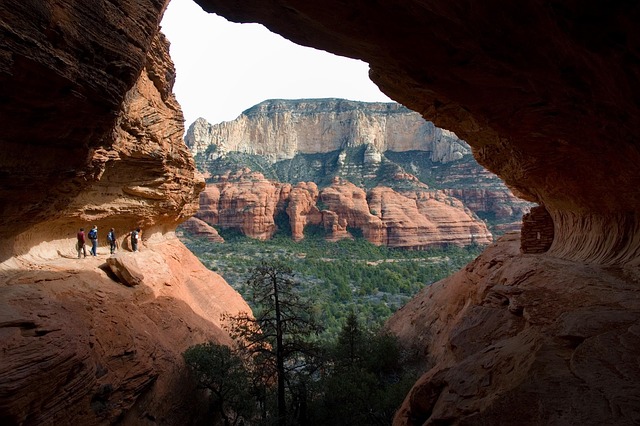
Many retreats are strategically located in areas known for their natural beauty and unique geographical features, leveraging the surrounding environment as part of the therapeutic experience. For instance, specific mountains, waterfalls, or coastal regions are considered sacred or energizing hotspots in various cultures. Real estate plays a pivotal role here; retreat developers invest in properties that offer not just scenic views but also access to these purported vortices. Data suggests that this trend is gaining traction, with a significant rise in bookings for such experiential wellness retreats over the past decade. This shift reflects a growing desire among travelers to connect with nature and explore alternative healing practices.
Experts in energy medicine and spirituality assert that these spiritual vortices can facilitate intense personal transformations. They propose that certain places act as powerful catalysts, intensifying meditation practices, enhancing intuitive abilities, and accelerating emotional or physical healing. For retreat organizers, curating experiences around these natural phenomena offers a unique selling point. However, it’s crucial to approach this concept with an open mind and a blend of scientific curiosity and cultural sensitivity, ensuring that any claims are backed by credible research while also respecting the spiritual beliefs of diverse communities.
The Role of Nature: Real Estate as a Key Ingredient in Healing Journeys

In the realm of wellness retreats, the role of nature as a therapeutic and rejuvenating force cannot be overstated. Real estate naturally plays a pivotal role in shaping these healing journeys, offering more than just scenic backdrops; it becomes an integral component of the overall experience. The connection between humans and the natural environment is deeply rooted in our biology, with research indicating that exposure to nature has tangible benefits for mental and physical health. This phenomenon has led to a surge in the popularity of retreats located in tranquil settings, where visitors can disconnect from their hectic lives and reconnect with themselves and the world around them.
Retreat centers worldwide are recognizing this trend and strategically integrating natural landscapes into their design and offerings. For instance, many ashrams and spas are nestled in lush forests or by serene bodies of water, capitalizing on the calming effects of these environments. A study published in the Journal of Environmental Psychology revealed that individuals who spent time in nature demonstrated decreased levels of stress hormones and reported improved mood states. This knowledge has driven the development of wellness real estate, with a focus on creating spaces that facilitate mindfulness practices and nurture the mind-body connection. These locations often incorporate natural architecture, organic materials, and biophilic design elements to enhance the overall sense of well-being.
When designing or selecting a wellness retreat venue, experts emphasize the importance of accessibility to nature. This could mean incorporating nearby hiking trails, meditation gardens, or even indoor plants and natural light within the facility. For example, some retreats offer yoga classes outdoors, allowing participants to immerse themselves in the environment while practicing mindfulness. By seamlessly integrating real estate with natural elements, these retreats provide guests with opportunities for deep relaxation, stress reduction, and personal transformation. As the demand for holistic wellness experiences continues to grow, the role of nature-centric real estate will undoubtedly remain a key ingredient in healing journeys.
Designing Retreat Spaces: Creating Holistic Environments for Transformation

Designing retreat spaces is an art that transforms raw real estate into holistic environments conducive to spiritual transformation. These sanctuaries are meticulously crafted to nurture the mind, body, and spirit, reflecting a comprehensive approach to wellness. The concept revolves around creating immersive experiences that resonate with participants, fostering a deep connection between them and their inner selves. For instance, leading spiritual retreats often incorporate natural elements like serene lakes, lush forests, or hilltop vistas, leveraging the therapeutic power of landscapes to promote introspection.
Expert designers understand that each retreat space should be unique, aligning with the core themes and practices offered by the retreat itself. Incorporating specific design elements, such as bio-wall murals depicting nature scenes, sound therapy chambers, or yoga platforms overlooking breathtaking vistas, enhances the overall experience. Sensory stimulation plays a pivotal role; aromatic aromatherapy diffusers, subtle lighting that mimics day-night cycles, and gentle background music contribute to an atmosphere of tranquility. For retreats focusing on mindfulness, spaces are designed for minimal distraction, featuring calming color palettes, natural materials, and open layouts that encourage awareness of the present moment.
Practical insights gleaned from global wellness trends underscore the importance of adaptability in retreat design. As diverse preferences emerge, customizable environments that cater to individual needs become paramount. Incorporating modular architecture allows for flexible spaces adaptable to various activities, from group meditation sessions to solitary reflection areas. Moreover, leveraging technology responsibly enhances the experience without compromising the retreat’s essence. Digital detoxes are increasingly popular, so designing zones free from electronic devices encourages participants to disconnect from the virtual world and immerse themselves fully in their surroundings. Ultimately, successful retreat spaces are those that inspire, heal, and empower, leaving a lasting imprint on visitors long after they depart.