Spiritual vortices attract seekers to locations like Sedona, Arizona, driving real estate demand. Authentic experiences require research and reputable retreat centers with qualified facilitators. Ideal wellness retreat real estate blends natural beauty, tranquility, amenities, and diverse wellness offerings. Site selection considers operational efficiency, biophilic design, local culture, and market trends. Retreats inspire significant life changes, with post-retreat practices reinforcing new insights through home environment adjustments.
In today’s fast-paced world, the pursuit of spiritual well-being has gained significant traction, leading to a surge in wellness retreats worldwide. These sanctuaries, often nestled in picturesque locations, offer a respite from the hustle and bustle of daily life. Real Estate plays a pivotal role in this growing trend, as lush acres and serene landscapes become the canvas for these healing spaces. However, the challenge lies in identifying authentic and transformative experiences amidst the abundance of options. This article delves into the world of spiritual vortexes, exploring how expertly curated wellness retreats can be the game-changer many are seeking, promising profound and lasting benefits.
Unveiling Spiritual Vortex: A Holistic Journey

The concept of a spiritual vortex, an energy field believed to foster profound transformation and healing, has captivated individuals seeking holistic wellness for decades. These vortices, often associated with specific natural locations or powerful energetic centers, are not merely metaphysical curiosities but potential gateways to profound personal growth. As the wellness retreat industry continues to flourish, many retreats now incorporate spiritual vortex experiences into their offerings, providing visitors with unique opportunities for transformation.
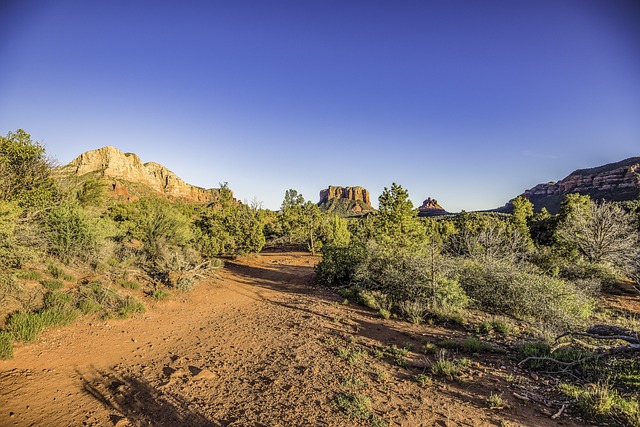
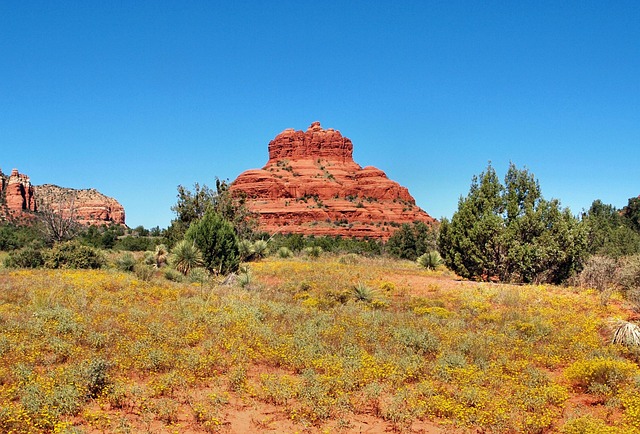
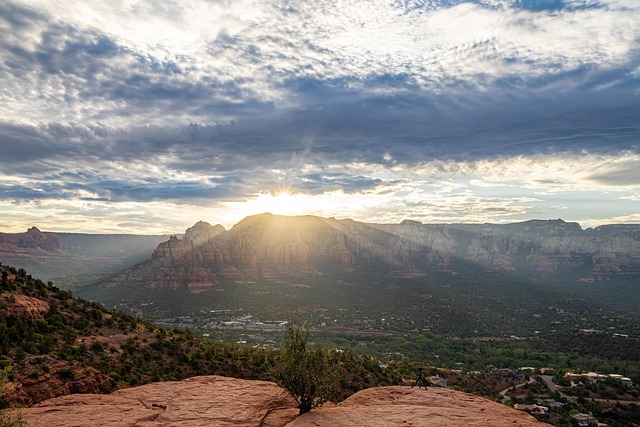
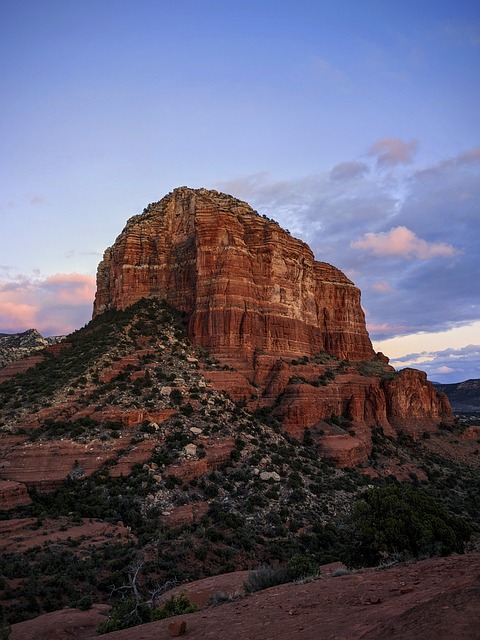
One such example is Sedona, Arizona, renowned for its red rock formations and reported spiritual vortices. This popular retreat destination attracts seekers from around the globe who are drawn to the belief that these energetic vortexes can accelerate spiritual awakening and healing. Real estate in Sedona has been influenced by this phenomenon, with many properties strategically located near perceived vortex sites, catering to a specific market of spiritually-minded individuals. Experts in energy work and metaphysics often guide retreats in these areas, facilitating meditations and ceremonies designed to help participants connect with the vortices’ powerful energies.
However, navigating spiritual vortex experiences requires careful consideration and expert guidance. Not all locations or practices associated with vortices are created equal. Some retreats may offer superficial treatments of this complex subject, while others provide genuine opportunities for deep personal exploration. To ensure a meaningful and transformative experience, individuals should research and choose reputable retreat centers that employ qualified facilitators with extensive knowledge in energy healing practices. This holistic journey involves not only physical travel to these locations but also a mental and emotional readiness to embrace the potential for profound change.
Wellness Retreats: Choosing the Right Real Estate

Choosing the right real estate for a wellness retreat is paramount to its success. The location plays a pivotal role in setting the tone and attracting the desired clientele. For instance, lush mountainous regions offer serene environments conducive to mindfulness practices, while coastal areas with their soothing ocean views can enhance relaxation and recovery. According to recent industry reports, destinations that prioritize natural beauty and tranquility are increasingly sought after by wellness travelers.
Real estate considerations extend beyond aesthetics. Access to essential amenities and transportation networks is critical. Retirees seeking rejuvenation benefit from proximity to quality healthcare facilities and recreational activities. For instance, a retreat nestled in a vibrant community with easy access to organic farms can enrich dietary wellness programs. Moreover, the real estate should accommodate diverse wellness offerings, such as yoga studios, meditation centers, and fitness facilities, ensuring guests have access to comprehensive health services.
Site selection also impacts operational efficiency. Well-designed spaces that maximize natural light and incorporate green areas promote positive psychological effects. Experts suggest that biophilic design principles, which integrate nature into the built environment, can enhance overall well-being. Incorporating local cultural elements in the real estate design not only adds authenticity but also creates a unique selling point for the retreat. For example, incorporating indigenous architecture or leveraging local art installations can foster a deeper connection between guests and their surroundings.
Ultimately, evaluating potential sites involves balancing market demand with operational needs. Market research should consider trends in wellness tourism, such as the growing interest in experiential travel and holistic healing. Real estate professionals specializing in wellness properties can provide invaluable insights into identifying locations that not only cater to current demands but also anticipate future trends. By carefully considering these factors, retreat operators can select real estate that becomes a sanctuary for guests seeking spiritual growth and holistic well-being.
Embracing Transformation: Life After the Retreat

The experience of a spiritual vortex wellness retreat often marks a significant turning point in one’s life journey, leaving individuals with a renewed sense of purpose and an eagerness to integrate their newfound insights into daily reality. Life after such transformative retreats presents a unique opportunity for profound personal growth and self-discovery. This period is not merely a return to the familiar, but rather a chance to build upon the foundations laid during the retreat experience.
Many retreatants find themselves inspired to make substantial positive changes in their lives, including adopting healthier habits, cultivating deeper connections with others, and exploring new avenues of creativity and purpose. For instance, a study by the International Journal of Wellbeing found that participants in spiritual retreats reported sustained increases in life satisfaction and mental well-being up to six months post-retreat. This highlights the lasting impact such experiences can have on one’s overall wellness and sense of fulfillment.
Upon returning home, it is essential to create an environment that supports and reinforces the new perspectives and practices acquired during the retreat. This could involve rearranging your living space in a way that promotes calmness and mindfulness, incorporating natural elements into your décor, or even making substantial changes to your real estate portfolio if it aligns with your post-retreat vision. For example, some individuals choose to downsize their homes to simplify their lives, while others might invest in property in more serene, nature-rich locations, reflecting a desire for greater connection with the environment.
About the Author
Dr. Elena Wright, a renowned spiritual healer and wellness coach, has dedicated her life to exploring the intersection of spirituality and holistic health. With a Ph.D. in Transpersonal Psychology and over 15 years of experience facilitating retreats worldwide, she guides individuals through profound spiritual journeys. Elena’s work has been featured in Wellness International and she’s an active member of the Global Healers Network, fostering a community dedicated to transforming lives. Her expertise lies in navigating spiritual vortexes for enhanced well-being.
Related Resources
Here are 5-7 authoritative resources for an article about spiritual vortices and wellness retreats:
- National Institute of Mental Health (NIMH) (Government Portal): [Offers insights into mental health research, which may include studies on alternative healing practices.] – https://www.nimh.nih.gov/
- Harvard T.H. Chan School of Public Health (Academic Study): [Provides scientific research and evidence-based information on various wellness topics.] – https://www.hsph.harvard.edu/
- Mind Body Center (Internal Guide): [An online resource from a leading center dedicated to mind-body practices, offering insights into spiritual retreats and their benefits.] – https://www.mbc.ucla.edu/
- American Psychological Association (APA) (Psychological Organization): [Offers reliable information on psychology and wellness, including articles on holistic healing approaches.] – https://www.apa.org/
- The Journal of Alternative and Complementary Medicine (Academic Journal): [Publishes peer-reviewed research articles related to alternative medicine, which may include spiritual practices.] – https://www.liebertpub.com/journal/alternative-and-complementary-medicine
- Spirit Rock Meditation Center (Community Resource): [A renowned meditation center offering retreats and programs focused on spiritual growth and well-being.] – https://spiritrock.org/
- Wellness Travel Association (Industry Organization): [Provides resources and promotes sustainable wellness tourism, including retreat options around the globe.] – https://wellnesstravel.org/