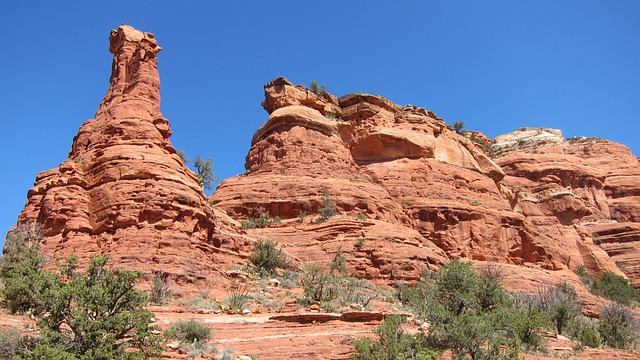
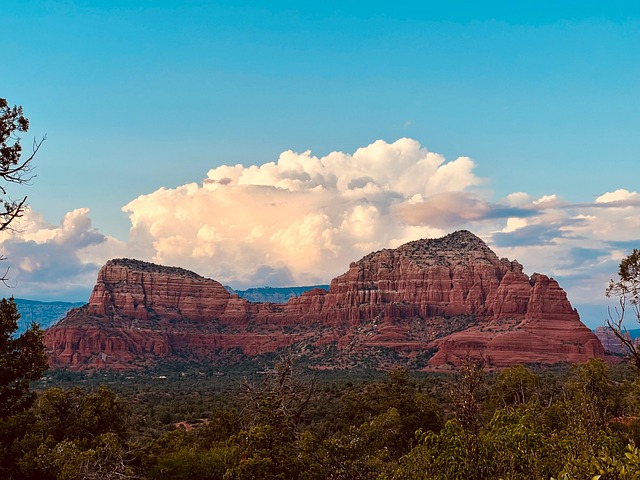
Desert landscapes are experiencing a surge in real estate value due to their unique beauty and vast spaces, attracting personal retreats and business investments. Early adopters stand to gain significantly as infrastructure expands. Real estate professionals must emphasize natural attractions, cultural value, and modern amenities while adopting sustainable development practices to preserve these iconic landscapes. Community-led initiatives and strategic zoning protect ecosystems and guide sustainable tourism, fostering economic growth and authentic local engagement.
Desert landscapes, with their vast expanse and unique beauty, have long captivated visitors from around the world. These iconic terrains not only offer breathtaking vistas but also hold immense cultural and economic significance, especially in real estate. However, the intense heat, scarce resources, and sensitive ecosystems pose significant challenges to sustainable development. To address these issues, we explore innovative strategies that balance ecological preservation with responsible tourism and strategic land use. By harnessing sustainable practices and local knowledge, we can ensure that desert destinations thrive while preserving their natural allure for future generations.
Desert Escapes: Unlocking the Allure for Real Estate Enthusiasts
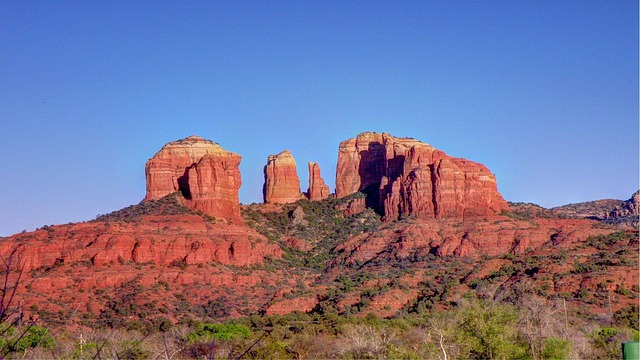
Desert landscapes have long captivated visitors with their unique beauty and tranquil allure, now increasingly attracting real estate enthusiasts who recognize the immense potential these regions hold. The global appeal of desert escapes is evident in rising property investments, as people seek out these pristine locations for both personal retreats and lucrative business ventures. This trend showcases a growing desire to reconnect with nature and embrace the serene atmosphere that only desert environments can offer.
The allure of desert real estate goes beyond its breathtaking vistas. These areas often provide an abundance of space, allowing buyers to design custom homes tailored to their preferences. From luxurious eco-friendly retreats to sustainable off-grid living, the possibilities are endless for those seeking a unique lifestyle. Moreover, desert properties can offer excellent investment opportunities due to their relatively untapped market potential. As these regions experience growing popularity, early adopters stand to benefit from significant capital gains as infrastructure and amenities expand to accommodate more residents.
Real estate professionals in desert destinations must adapt to meet this burgeoning demand. Engaging in strategic marketing that highlights the region’s natural beauty, cultural significance, and modern conveniences is crucial. Offering personalized services that cater to diverse buyer needs, whether it’s helping eco-conscious investors or families seeking a change of pace, ensures satisfied clients and fosters a thriving desert real estate market. With careful planning and sustainable development practices, these iconic landscapes can continue to inspire and accommodate visitors and residents alike for generations to come.
Iconic Landscapes: Their Impact on Visitors and Property Values
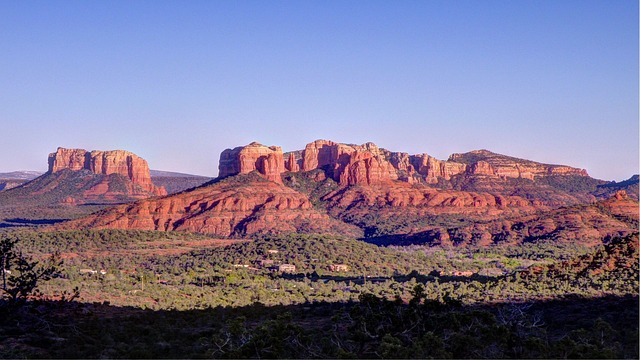
Iconic desert landscapes have long captivated visitors with their otherworldly beauty and serene tranquility. These unique environments, characterized by vast expanses of sand, towering dunes, and stark contrasts between light and shadow, offer more than just aesthetic allure. They profoundly impact visitors’ experiences, fostering a sense of awe and connection to nature that translates into increased tourism and, significantly, real estate values.
The psychological effects of desert landscapes are well-documented. Studies have shown that exposure to vast open spaces with minimal human structures can evoke feelings of peacefulness, reduce stress, and enhance overall well-being. This phenomenon is particularly pronounced in iconic desert destinations like the Sahara, where visitors often report profound sensory experiences and a heightened appreciation for nature’s grandeur. As travel trends shift towards immersive, off-the-beaten-path adventures, these landscapes become not just tourist draws but powerful economic drivers for local communities.
In real estate, this trend is evident in rising property values near renowned desert sites. For instance, properties overlooking the Grand Canyon or nestled within the vast Namib Desert often command premium prices due to their proximity to these iconic landscapes. Developers and investors recognize the potential of integrating natural desert features into residential projects, creating luxurious retreats that blend seamlessly with the surrounding environment. This approach not only maximizes property appeal but also encourages sustainable development practices, ensuring that these treasured landscapes remain intact for future generations to enjoy.
To capitalize on this trend, real estate professionals should focus on enhancing the connection between potential buyers and the natural surroundings. Incorporating panoramic views, incorporating native vegetation, and designing outdoor living spaces that embrace the desert aesthetic can significantly elevate property appeal. By understanding the profound impact of iconic landscapes on visitors and aligning development with environmental stewardship, real estate stakeholders can unlock substantial economic benefits while preserving these unique natural wonders.
Sustainable Tourism: Balancing Visitor Experience and Local Real Estate Markets
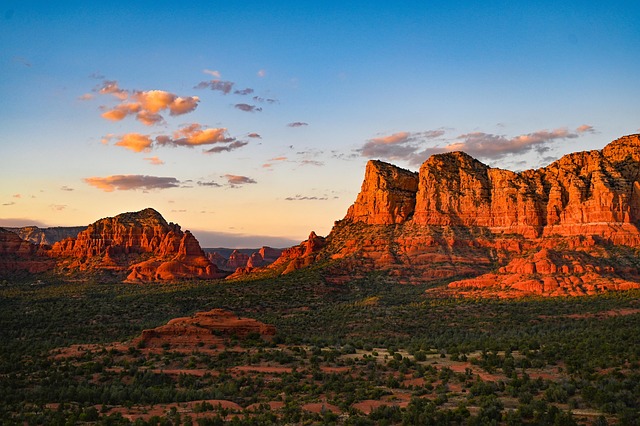
The allure of iconic desert landscapes draws visitors from around the globe, creating a delicate balance between tourism growth and local real estate markets. While sustainable tourism practices are essential for preserving these fragile ecosystems, they also present an opportunity to enhance visitor experiences while fostering economic development in surrounding communities. Careful consideration is required to ensure that the influx of tourists does not overwhelm local infrastructure or disrupt traditional land use patterns.
One successful approach involves community-led initiatives that prioritize authentic engagement with visitors. For example, indigenous communities in the Sahara have developed eco-tourism ventures, offering guided camel safaris and traditional hospitality experiences. This model not only generates revenue for locals but also educates tourists about sustainable practices and cultural preservation. By involving residents in tourism planning and decision-making, their concerns are addressed, ensuring that real estate development aligns with community needs and aspirations.
Furthermore, implementing strategic zoning regulations can mitigate the negative impacts of tourism on sensitive ecosystems and real estate markets. Protecting vast stretches of desert as conservation areas or national parks prevents speculative real estate investments from encroaching on these fragile landscapes. Instead, developers can focus on sustainable hospitality projects within designated zones, ensuring that tourism infrastructure is integrated harmoniously into the surrounding environment. This approach not only conserves natural resources but also attracts discerning travelers seeking authentic, responsible experiences.
To achieve this balance, destination managers must engage in continuous data collection and analysis to understand tourist preferences and local market dynamics. Utilizing these insights, they can guide policy decisions that encourage diverse tourism offerings. For instance, promoting nature-based activities like stargazing, desert hiking, or wildlife watching reduces the pressure on densely populated tourist hotspots. This diversification not only spreads economic benefits across regions but also encourages visitors to immerse themselves in the unique character of each location, fostering a deeper connection with these iconic desert landscapes.