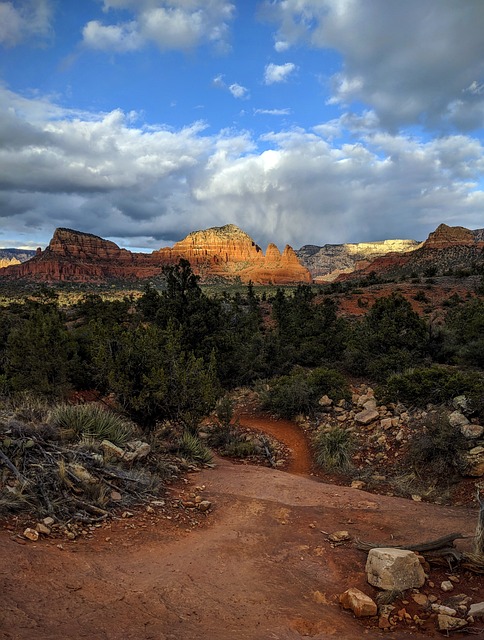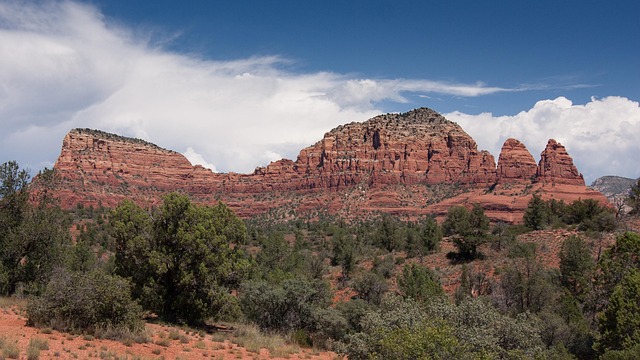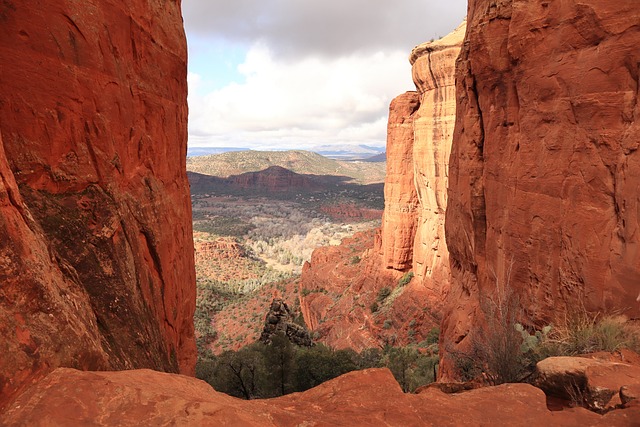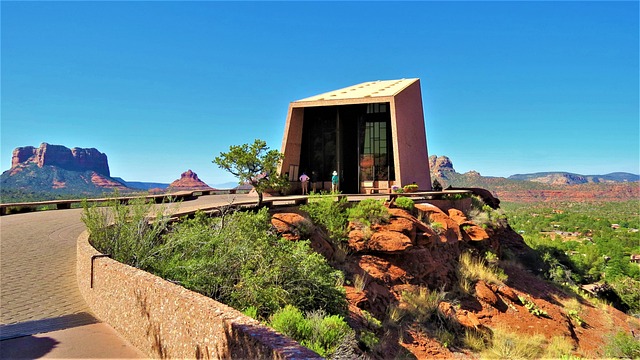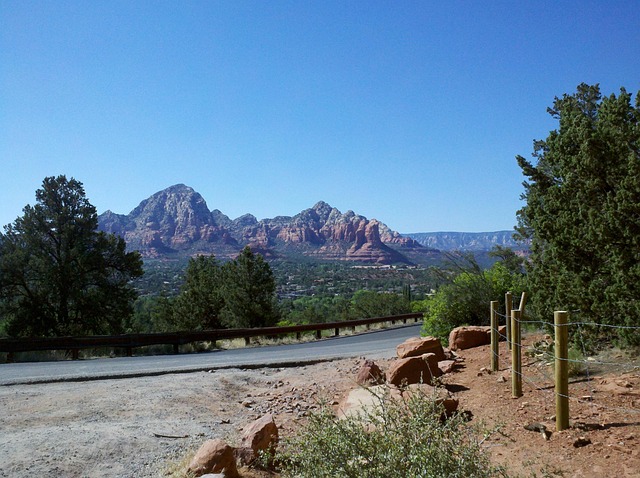
Deserts offer a unique blend of adventure and tranquility, attracting travelers and real estate investors worldwide. Each region boasts distinct ecosystems and cultural heritage. For investors, understanding local markets is key, as popular desert destinations have seen significant development. The remote nature of deserts presents opportunities for eco-conscious real estate design with minimal environmental impact. Strategic planning is vital to balance tourism and conservation, ensuring these natural treasures remain intact for future generations through responsible practices in both tourism and real estate development.
Desert landscapes, with their iconic beauty and diverse ecosystems, have long captivated visitors worldwide, driving growth in real estate across arid regions. However, the rapid development has raised concerns about preserving these delicate environments while catering to tourism demands. This article delves into the intricate relationship between desert landscapes, sustainable tourism, and real estate, offering a comprehensive strategy for balanced growth. By exploring successful models and innovative practices, we aim to provide valuable insights for stakeholders, ensuring that iconic desert destinations thrive while preserving their natural integrity.
Unveiling Desert's Allure: A Visitor's Guide
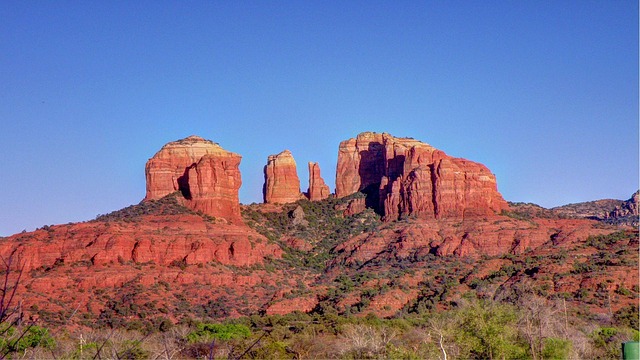
The desert, a vast expanse of sand and stone, has long captivated visitors with its stark beauty and enigmatic allure. These iconic landscapes, often perceived as harsh and desolate, offer a profound sense of tranquility and a unique opportunity for self-discovery. For travelers seeking adventure or those interested in real estate investments, the desert presents an array of experiences and opportunities that cater to diverse tastes. From the vastness of the Sahara to the rugged charm of the American Southwest, each desert region boasts its own distinct character.
Uncovering the secrets of these arid environments requires a strategic approach. For visitors, understanding the local ecosystem and cultural heritage is paramount. Many deserts are home to unique plant and animal species adapted to harsh conditions, making wildlife safaris and nature walks popular activities. Additionally, indigenous communities have developed profound connections with these lands, preserving ancient traditions that offer insights into sustainable living and an appreciation for the desert’s resilience. Exploring these aspects enriches the visitor experience and fosters a deeper connection with the environment.
When considering desert real estate, whether for leisure or investment, it’s essential to research local market trends and unique selling points. Some areas have emerged as popular tourist destinations, attracting a steady influx of visitors seeking second homes or vacation retreats. Infrastructure development in these regions often includes luxury resorts, golf courses, and modern amenities catering to diverse preferences. For example, the growing popularity of desert escape pods and eco-friendly accommodations highlights a trend towards sustainable tourism, ensuring that real estate investments remain viable while preserving the natural landscape.
Real Estate's Unique Offerings in Arid Landscapes
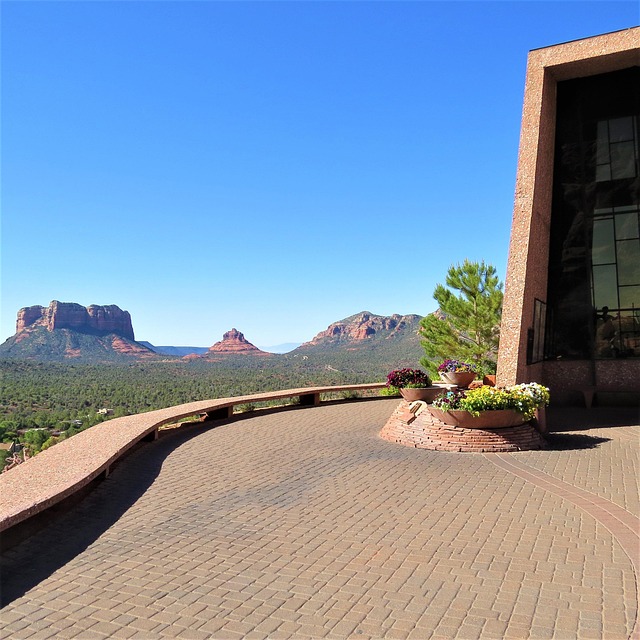
The allure of desert landscapes, with their vast expanses and distinctive beauty, has long captivated visitors from around the globe. Beyond the breathtaking vistas, these arid regions offer a unique real estate opportunity that blends seamlessly with the natural environment. Real estate developers and investors are increasingly recognizing the potential of constructing accommodations in these seemingly harsh terrains, creating experiences that foster a deep connection to nature. This trend not only adds diversity to the tourism sector but also presents an innovative approach to sustainable living.
Desert destinations, from the vast Sahara to the red sands of Arabia, possess inherent advantages for real estate development. The remoteness and limited infrastructure provide a canvas upon which eco-conscious designs can flourish. Developers can embrace local architecture styles that harmonize with the surrounding landscape, ensuring minimal environmental impact. For instance, traditional desert homes in Morocco often feature sun-facing courtyards and passive cooling systems, taking advantage of natural resources while reducing energy consumption. This integration of design and location enhances the guest experience, offering serene retreats where one can immerse themselves in the raw beauty of nature.
The market demand for these unique properties is evident in rising occupancy rates and premium pricing at desert-front resorts and residences. According to a recent study, luxury real estate in arid regions has seen an 18% year-on-year growth over the past decade, with investors attracted by the potential for high returns and the allure of owning a piece of this captivating landscape. To capitalize on this trend, developers should focus on creating sustainable communities that preserve the natural setting while providing modern amenities. Implementing water conservation strategies, utilizing renewable energy sources, and promoting responsible tourism practices will ensure these developments thrive while minimizing their ecological footprint.
Conservation and Tourism: Balancing Act in Deserts
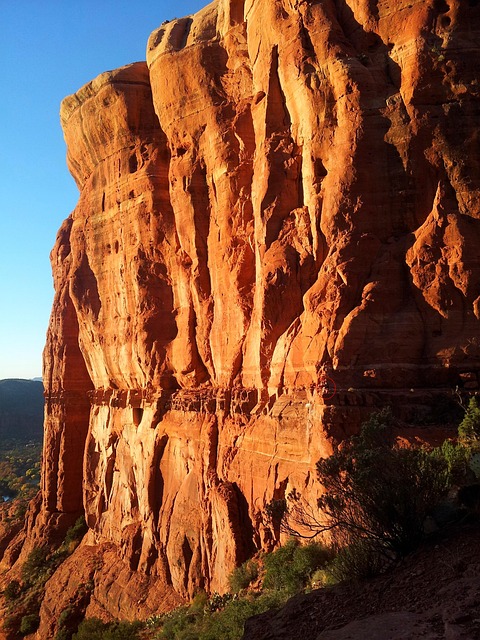
The world’s deserts, with their vast expanses of sand and rugged terrain, have long captivated visitors seeking awe-inspiring experiences. However, these iconic landscapes face significant challenges due to the delicate balance between conservation and tourism. As desert ecosystems are incredibly fragile, the influx of visitors can easily disturb the natural environment, impacting wildlife habitats and ecological processes. This balancing act requires a strategic approach where conservation efforts and sustainable tourism practices must go hand in hand.
One of the primary considerations is managing visitor impact through responsible planning and infrastructure development. Real estate naturally plays a role here; thoughtfully designed accommodations and tourist facilities can minimize disruption to the desert ecosystem. For instance, eco-lodge developments in places like Namibia’s Namib Desert focus on integrating seamlessly with the surrounding landscape, using local materials, and implementing strict environmental guidelines for operations. This model not only reduces ecological footprints but also educates tourists about the importance of conservation.
Data from various protected areas shows that controlled tourism can indeed benefit desert ecosystems when properly managed. For example, in Joshua Tree National Park, USA, carefully regulated hiking trails and visitor centers have enabled educational experiences while minimizing damage to the sensitive plant life. Moreover, revenue generated from sustainable tourism activities can be reinvested in conservation efforts, creating a positive feedback loop. By encouraging responsible practices among tourists and businesses, deserts can continue to inspire future generations while preserving their natural beauty for years to come.