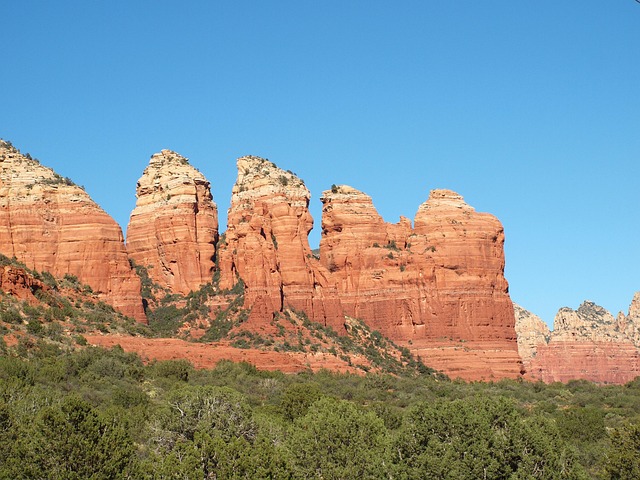
Red rock landscapes drive global tourism, offering real estate opportunities for sustainable development. Key strategies include diversifying accommodation, leveraging digital marketing, engaging locals, and strategic planning to balance growth with environmental preservation while enhancing real estate value through unique experiences.
Red rock paradises, with their stunning landscapes and unique geological formations, have become increasingly sought-after destinations for tourists worldwide. While these natural wonders offer invaluable experiences, the surge in visitor numbers poses challenges for local real estate markets and ecosystem preservation. This article delves into the intricate relationship between tourism, property development, and environmental conservation in these fragile ecosystems. We explore strategies to balance economic growth with ecological stewardship, focusing on sustainable practices within the real estate sector. By examining case studies and best practices, we aim to provide insights for stakeholders to navigate this delicate equilibrium, ensuring these red rock paradises thrive for future generations.
Red Rock Paradise: A Tourist Magnet

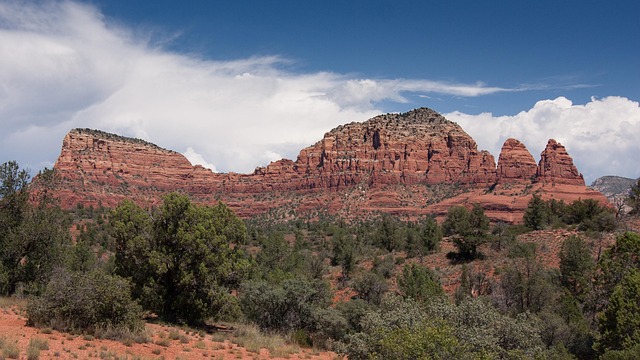
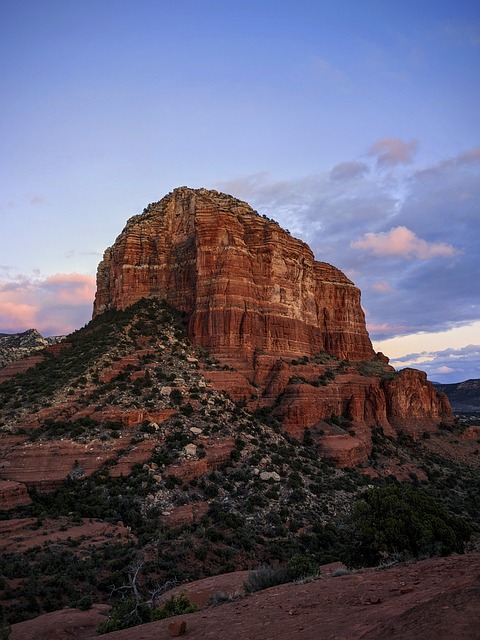
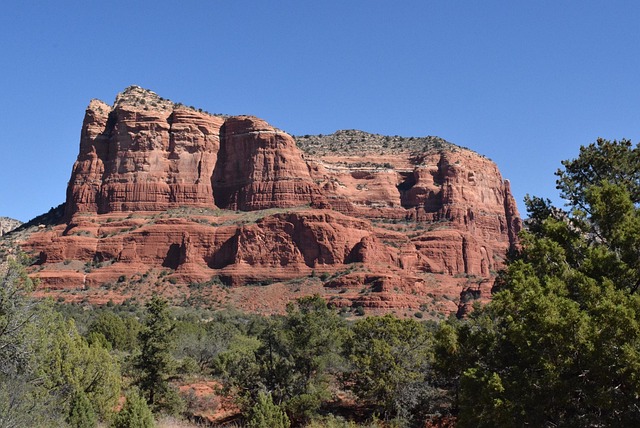
The red rock landscapes of certain regions have become a magnet for tourists seeking breathtaking vistas and outdoor adventures. These paradisiacal settings, characterized by vibrant hues of red and rugged terrain, offer a unique draw that captivates visitors from around the globe. The surge in tourism towards such destinations is not merely about aesthetics; it’s fueled by the merging of stunning natural beauty with accessible real estate options, creating an appealing blend for travelers and residents alike.
Many tourist hotspots boasting red rock formations have strategically developed infrastructure to support a thriving tourism industry. These developments include well-maintained hiking trails that wind through canyons, allowing visitors to immerse themselves in the raw beauty of nature. Additionally, eco-conscious accommodations that respect the surrounding landscape while offering modern amenities cater to a growing market of travelers seeking sustainable travel experiences. The availability of luxurious yet environment-friendly real estate options has further enhanced these destinations’ appeal, encouraging long-term stays and repeat visits.
From the Grand Canyon in Arizona to the Red Center in Australia, data indicates a consistent rise in tourism to red rock paradises. According to industry reports, these areas often experience year-round demand, with peak seasons driving significant economic growth for local communities. Understanding this trend presents opportunities for real estate developers and investors who can contribute to sustainable development while capitalizing on the region’s natural assets. By embracing responsible land use practices, they can ensure that these tourist magnets thrive for generations to come.
Real Estate Trends in Scenic Destinations

The allure of red rock paradises has long drawn tourists seeking breathtaking landscapes and unique experiences. This trend presents significant implications for the real estate market in these scenic destinations. As travel to these areas increases, understanding the local real estate dynamics becomes crucial for both investors and developers. The natural beauty of these locations presents a distinct advantage, but it also poses challenges in terms of infrastructure development and preserving the pristine environment.
In popular red rock destinations, there’s a growing demand for luxury accommodations and second homes. For instance, Utah’s Zion National Park has seen a surge in real estate investments, with high-end villas and retreats springing up amidst the dramatic sandstone cliffs. This trend reflects a broader phenomenon where scenic locations become not just travel hotspots but also desirable residential areas. However, such development requires careful planning to avoid over-commercialization and maintain the natural integrity of the region. Experts suggest adopting sustainable building practices and promoting eco-friendly tourism to ensure these destinations can thrive while preserving their unique character.
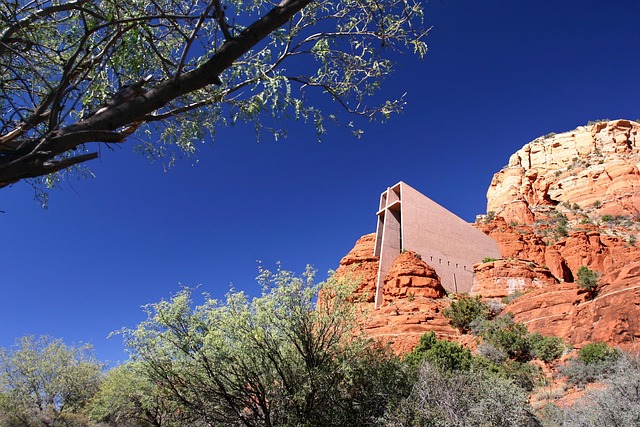
Real estate developers in these areas must adapt to local regulations and community expectations. This might involve incorporating native architecture, utilizing renewable energy sources, and prioritizing open spaces. For instance, in Arizona’s Sedona, strict zoning laws protect the area’s spiritual and natural significance, guiding development towards low-impact, environmentally conscious projects. By adhering to such guidelines, developers can create harmonious settings that enhance the tourist experience while ensuring long-term viability. Investors should also consider the potential for diverse revenue streams, such as eco-tours and nature-based activities, which can complement real estate offerings.
Additionally, focusing on off-season marketing and creating year-round attractions can stabilize demand. By offering unique experiences that extend beyond traditional travel peaks, these destinations can attract a dedicated clientele. For example, promoting stargazing events in the vast desert skies or organizing hiking festivals amidst the dramatic red rocks can foster a deeper connection between visitors and the natural environment. Such strategies not only drive real estate value but also contribute to sustainable tourism practices, ensuring that these paradise destinations remain captivating for generations to come.
Attracting Visitors: Strategies for Success

The breathtaking landscapes of red rock paradises have long been a magnet for tourists seeking awe-inspiring experiences. To ensure sustained success and maximize visitor engagement, destinations like these must implement strategic planning focused on attracting and delighting travelers. One key aspect is developing world-class tourism infrastructure, including accessible real estate options that cater to diverse accommodation preferences. By offering a range of choices—from luxurious resorts with panoramic views to budget-friendly eco-lodges nestled among the rocks—destinations can appeal to a broader audience.
Effective marketing plays a pivotal role in drawing visitors. Utilizing digital platforms and storytelling techniques, destinations can showcase their unique character and highlight hidden gems. For instance, virtual reality tours and visually captivating social media campaigns can transport potential travelers to these paradisical realms, igniting their desire to explore. Moreover, partnerships with travel influencers and industry professionals can further amplify reach and credibility.
Engaging local communities is another critical strategy. Encouraging community-based tourism initiatives ensures that residents are actively involved in the hospitality sector, fostering a sense of ownership and pride. Local guides and artisans can offer specialized tours and experiences, enriching visitor interactions and contributing to sustainable economic growth. This collaborative approach not only preserves cultural heritage but also creates memorable connections between tourists and the destination’s soul.