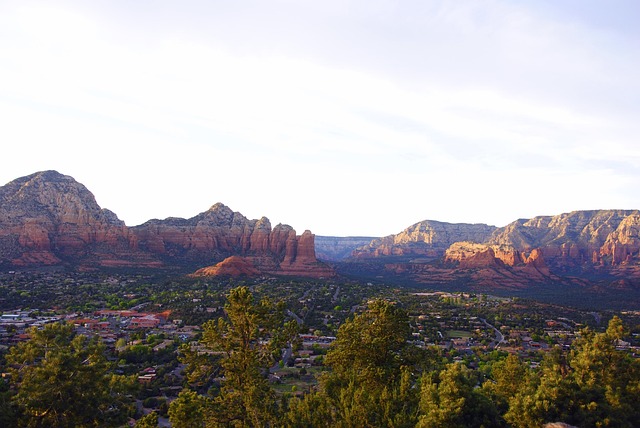
Red Rock Paradise, a global tourism hub, thrives on its natural allure. Real estate drives growth but must balance development with conservation for long-term viability. Key strategies include sustainable real estate practices, diverse visitor experiences, community engagement, and digital transformation to ensure ecosystem preservation and economic benefits for local communities.
Red rock landscapes have long captivated travelers seeking awe-inspiring destinations. These geological wonders not only draw tourists but also present significant challenges for local real estate markets. The influx of visitors can strain infrastructure and put pressure on affordable housing, creating a delicate balance between tourism revenue and sustainable development. This article delves into the intricate dynamics of this paradise for tourists, exploring strategies to manage growth while preserving the natural beauty that drives visitation. By examining case studies and best practices, we offer insights into how local stakeholders can navigate these complexities, ensuring both economic prosperity and environmental stewardship in these red rock paradises.
Red Rock Paradise: A Tourist Magnet

Red Rock Paradise, a breathtaking expanse of vibrant landscapes, has emerged as a powerful magnet for tourists from around the globe. This captivating destination entices visitors with its unique geological formations, lush vegetation, and abundant outdoor recreational opportunities. The area’s real estate market has experienced significant growth due to this influx, attracting investors and home buyers seeking idyllic retreat or permanent residence in nature’s embrace.
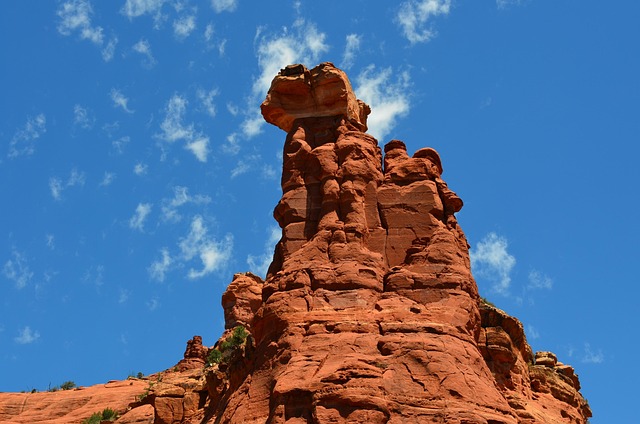
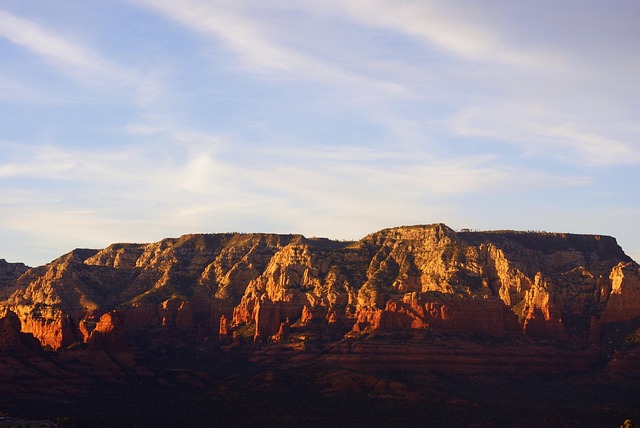
The natural allure of Red Rock Paradise is undeniable. Towering red rock cliffs, serene lakes, and sprawling desert plains create a scenic tapestry that captivates all who explore it. This diverse ecosystem supports a rich variety of flora and fauna, making it a haven for outdoor enthusiasts, photographers, and nature lovers. Tourists flock to the area for activities like hiking, camping, birdwatching, and rock climbing, contributing substantially to the local economy through accommodation, dining, and adventure tourism.
Real estate developers have recognised this growing demand, leading to substantial investments in residential and recreational properties. The market offers a diverse range of options, from luxurious vacation homes with panoramic views to affordable cabins nestled among the red rocks. However, as popularity surges, it’s crucial for both developers and prospective buyers to navigate the market responsibly. This includes preserving the natural beauty that attracts visitors while ensuring sustainable development practices to safeguard the area’s unique character for future generations of tourists and residents alike.
Exploring Real Estate's Role in Tourism
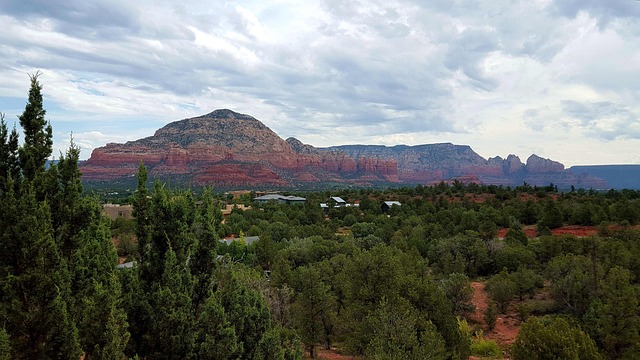
The allure of red rock paradises has been drawing tourists for decades, with destinations like Sedona, Arizona, becoming iconic landmarks. As travel trends shift towards immersive, nature-focused experiences, real estate plays a pivotal role in shaping these destinations’ appeal and sustainability. The strategic development and management of properties in such scenic areas can either enhance or diminish the overall visitor experience. For instance, well-integrated resorts and vacation homes in Sedona’s rugged terrain offer visitors unparalleled access to hiking trails, spiritual vortexes, and breathtaking vistas, fostering a deeper connection with the natural environment.
Real estate developers and local governments must balance the demand for tourism infrastructure with the preservation of these delicate ecosystems. This involves meticulous planning to minimize environmental impact and ensure that development complements the area’s unique character. Data suggests that sustainable tourism initiatives, driven by responsible real estate practices, can significantly contribute to local economies while preserving cultural heritage and biodiversity. For example, in Moab, Utah, off-roading trails and boutique accommodations nestled within red rock canyons attract outdoor enthusiasts, generating substantial revenue without compromising the region’s pristine landscapes.
To harness the potential of tourism in these natural wonders, experts recommend a holistic approach. This includes diversifying accommodation options to cater to various budgets, promoting eco-friendly practices among developers, and investing in visitor centers that educate tourists about conservation efforts. By carefully managing real estate development, communities can capitalize on their scenic assets while ensuring long-term viability, creating a harmonious relationship between tourism and the preservation of these red rock paradises.
Strategies to Sustain Touristic Appeal

The allure of vibrant red rock landscapes has long drawn tourists to destinations like Utah’s Canyonlands or Sedona, Arizona. While these paradises thrive as popular vacation spots, sustaining their appeal over time requires thoughtful strategies. The challenge lies in balancing visitor experiences with environmental preservation and local community needs. One key strategy is to implement sustainable real estate development practices. This involves careful planning to minimize the physical footprint of tourist infrastructure while leveraging technology for efficient resource management. For instance, adopting solar power and rainwater harvesting in accommodations can reduce the environmental impact and operational costs.
Additionally, creating diverse visitor experiences beyond traditional sightseeing is essential. Local tour operators can offer specialized activities that cater to specific interests—from ecological tours to cultural immersions. This not only enhances tourist satisfaction but also encourages repeat visits. Data from national park services reveals a significant correlation between unique, tailored experiences and longer durations spent by visitors. Engaging local communities in tourism planning ensures that economic benefits are shared equitably and fosters a sense of stewardship for these natural wonders.
To remain competitive, red rock destinations must also embrace digital transformation. Utilizing online platforms for effective marketing and real-time information dissemination attracts tech-savvy travelers. Implementing user-friendly apps can provide tourists with self-guided tours, interactive maps, and personalized recommendations. These tools not only enhance the visitor experience but also enable park rangers to manage crowds effectively, preserving the integrity of these natural paradises for future generations.