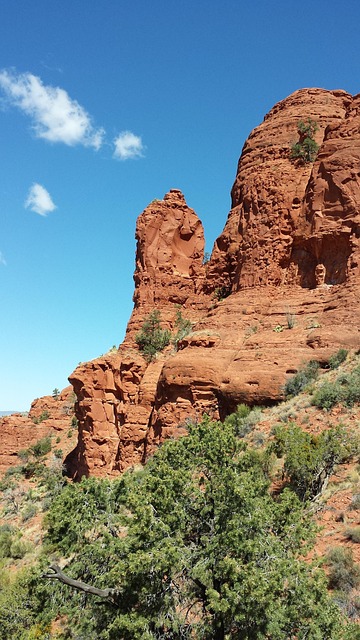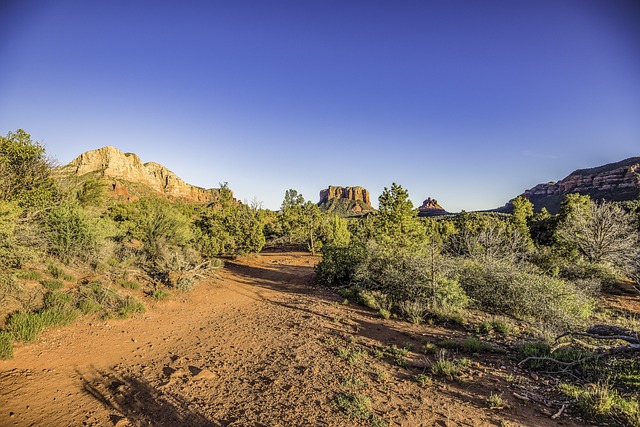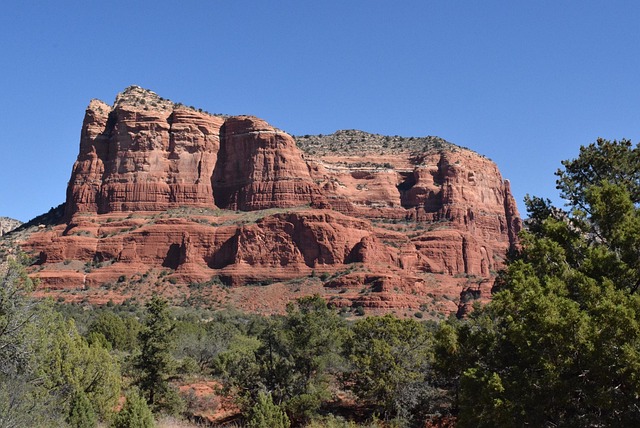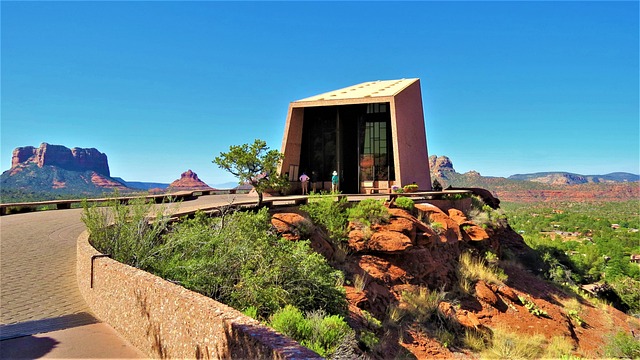
Red rock landscapes drive global tourism, boosting local economies. Strategic real estate initiatives include eco-lodges and resorts, promoting responsible tourism and conservation. Key markets like Sedona offer high potential, requiring careful development focused on sustainability and community well-being. Unchecked visitor numbers harm ecosystems, necessitating land use planning, education, and eco-friendly practices to balance growth with conservation efforts.
Red rock landscapes, with their breathtaking beauty and diverse ecosystems, have become increasingly sought-after destinations for tourists worldwide. This trend presents both opportunities and challenges, particularly in the realm of real estate development. As travel to these natural wonders escalates, managing tourism’s impact on fragile environments while fostering sustainable growth becomes paramount. This article delves into strategies that balance ecological preservation with economic opportunities, offering valuable insights for policymakers, developers, and enthusiasts alike. By exploring innovative solutions, we can ensure these red rock paradises thrive for generations to come, preserving their natural allure naturally.
Red Rock Wonderland: Nature's Tourism Magnet
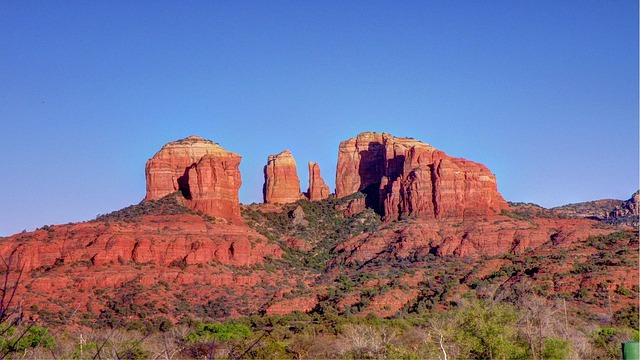
Red Rock Wonderland: Nature’s Tourism Magnet
The striking landscapes of red rock formations have long captivated visitors, drawing them to remote corners of the globe. These geological marvels, with their vibrant hues and towering spires, offer a unique experience that transcends mere scenic beauty. As a result, they have become powerful magnets for tourism, propelling local economies and shaping travel trends worldwide. The allure of these natural wonders is not merely superficial; it stems from their ability to inspire awe, provide recreational opportunities, and foster a deeper connection with nature.
The real estate industry in these red rock paradises has responded by strategically developing infrastructure and amenities to cater to the influx of visitors. Well-planned resorts, eco-lodges, and vacation rentals nestled amidst the towering reds create an immersive experience for tourists seeking both relaxation and adventure. For instance, regions like Utah’s Zion National Park or Australia’s Uluru (Ayers Rock) have seen substantial investments in sustainable tourism initiatives, ensuring that the natural integrity of these sites is preserved while offering visitors unparalleled access. These efforts not only enhance the tourist experience but also drive revenue for local communities dependent on ecotourism.
Moreover, the rise of nature-focused travel has encouraged a shift towards more responsible and educational tourism models. Tour operators and destination marketers are increasingly emphasizing the importance of conservation efforts and cultural preservation in their promotional strategies. By promoting sustainable practices, these destinations not only safeguard their natural beauty but also foster a deeper appreciation for the environment among visitors. As travelers seek authentic experiences, red rock wonders that offer educational opportunities, guided tours with local experts, and immersive cultural exchanges are becoming increasingly popular. This trend presents a unique opportunity for real estate developers to collaborate with conservation groups and community leaders in creating responsible tourism infrastructure that benefits both the environment and local communities.
Unlocking Paradise: Real Estate Potential Revealed

Red rock paradises have long captivated tourists, drawing them to breathtaking landscapes that seem plucked from a fantasy. Yet beyond the allure of scenic beauty lies a thriving real estate potential waiting to be unlocked. These destinations offer more than just stunning views; they provide opportunities for diverse real estate developments tailored to meet evolving market demands.
Consider the example of Sedona, Arizona, renowned for its vibrant red sandstone formations and spiritual energy. Over the years, it has transformed from a small desert town into a thriving tourist hub with a robust real estate market. Luxury villas overlooking dramatic cliffs, eco-friendly homes integrated into the natural landscape, and boutique hotels showcasing local architecture exemplify the range of offerings. According to recent data, Sedona’s real estate market has experienced steady growth, attracting investors and buyers seeking second homes in a unique and sought-after location.
Unlocking this potential requires careful navigation of key factors. Location is paramount; developments should capitalize on natural assets while providing easy access to amenities. Sustainability practices are increasingly important to eco-conscious buyers, integrating green building designs and utilizing local resources. Moreover, understanding the target demographic is crucial. Whether it’s health-focused retirees, young families seeking outdoor adventures, or luxury seekers, tailored offerings can maximize investment returns.
Experts suggest a multi-faceted approach: conduct thorough market research, collaborate with local architects and developers, and prioritize responsible development practices. By embracing these strategies, real estate opportunities in red rock paradises can flourish, offering both profitable investments and memorable living experiences for tourists and residents alike.
Sustainable Travel: Managing Tourist Impact in Eden
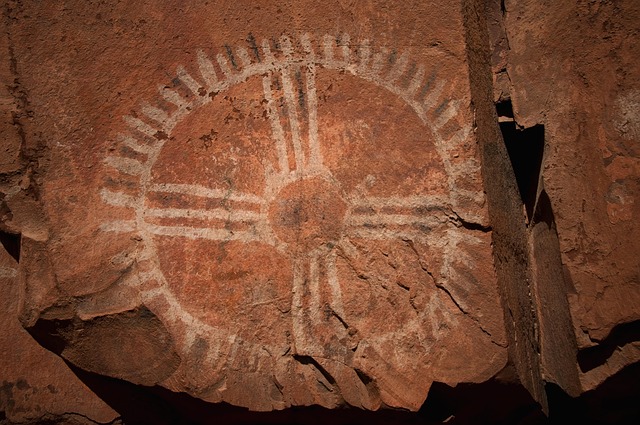
The natural splendor of red rock paradises, such as those found in iconic destinations like Utah’s Zion National Park or Australia’s Uluru-Kata Tjuta National Park, draws tourists from around the globe. While these areas offer breathtaking experiences, the influx of visitors can strain local ecosystems and communities. Sustainable travel practices are crucial for managing tourist impact and preserving these natural treasures for future generations.
One key aspect of sustainable tourism is responsible land use planning. Real Estate development plays a significant role here. Careful consideration must be given to where and how accommodation facilities, visitor centers, and other infrastructure are located. Protecting sensitive habitats and scenic vistas while providing accessible entry points can mitigate ecological damage caused by construction and increased foot traffic. For instance, in Utah, the state’s “Red Rock Recreation Plan” guides development around national parks, ensuring that tourism activities are compatible with conservation objectives.
Moreover, educating tourists about responsible behavior is essential. Simple actions like staying on designated trails, respecting wildlife, and properly disposing of waste can significantly reduce environmental impact. Implementing sustainable practices in hotels and tour operations, such as using renewable energy sources, conserving water, and promoting local cuisine, also contributes to overall sustainability. Data from the United Nations World Tourism Organization shows that eco-friendly tourism can generate substantial economic benefits while reducing negative environmental impacts. By adopting these measures, destinations can foster a more harmonious relationship between visitors and the natural world, ensuring that these red rock paradises thrive for generations to come.