Deserts, despite their harsh reputation, are ecological treasures with unique ecosystems and geological marvels. Iconic desert destinations have embraced eco-friendly tourism through responsible coexistence with fragile environments. Real estate developers face the challenge of building responsibly within these landscapes to enhance natural beauty, foster thriving communities, and support sustainable tourism. Key threats include habitat destruction, water scarcity, and invasive species. Solutions involve strict land-use planning, innovative water management strategies, and partnerships between local communities, businesses, and policymakers. Implementing these measures ensures landscape preservation, economic benefits, and ecosystem support for future generations.
Desert landscapes, with their vast expanses and unique beauty, have long captivated visitors from around the globe, becoming a significant draw for tourism and real estate development. However, the rapid growth of these industries presents challenges in preserving these fragile ecosystems. This article delves into the intricate relationship between iconic desert scenery and human activities, offering insights into sustainable practices that can ensure these natural wonders thrive while catering to growing interest. By examining successful models and innovative approaches, we aim to provide valuable guidance for stakeholders involved in desert conservation and tourism development.
Unveiling Deserts' Allure: Nature's Real Estate Marvels
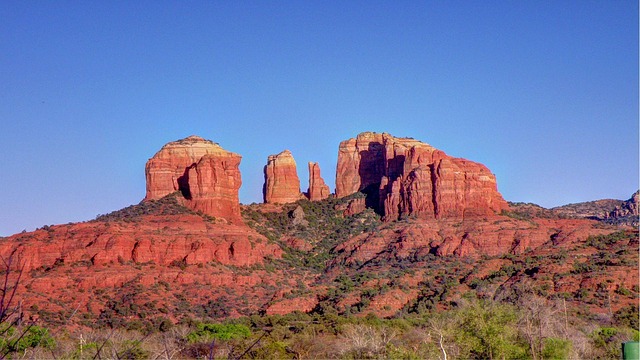
Deserts, with their vast expanses of sand, stark contrasts, and otherworldly beauty, have long captivated visitors seeking unique experiences. These landscapes, often perceived as harsh and barren, are in fact nature’s real estate marvels, teeming with diverse ecosystems and geological wonders. The allure of deserts lies not just in their breathtaking vistas but also in the opportunities they offer for exploration, adventure, and sustainable real estate development.
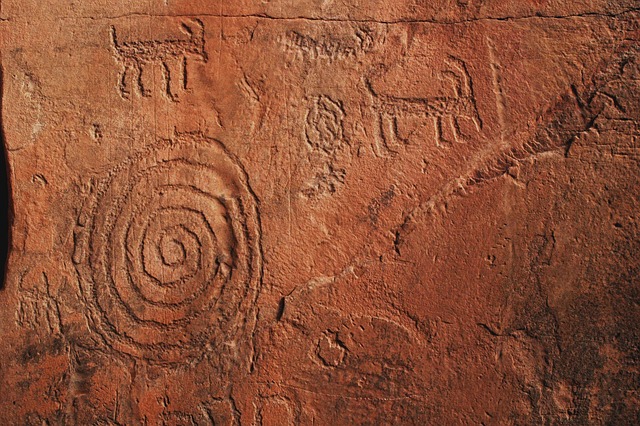
Many iconic desert destinations have embraced the potential of eco-friendly tourism, showcasing how visitors can appreciate these fragile environments while minimizing impact. For instance, Namibia’s Namib Desert is renowned for its diverse wildlife, from majestic oryx to elusive wild dogs. Conservation efforts here prioritize responsible tourism, allowing guests to witness these species in their natural habitat without disturbing the delicate ecological balance. Similarly, Jordan’s Wadi Rum offers a spectacle of towering sandstone cliffs and ancient rock art, all while promoting sustainable camping and hiking practices. These models demonstrate that desert landscapes can thrive as both attractions and real estate assets when managed responsibly.
Experts suggest that the key to unlocking deserts’ full potential lies in balancing tourism growth with environmental preservation. By implementing strict regulations, promoting sustainable practices, and investing in research, these ecosystems can support thriving communities and attract visitors for generations to come. For real estate developers, this presents a unique challenge: to build responsibly within these fragile landscapes, ensuring that development enhances rather than diminishes their natural beauty. With careful planning and collaboration with local stakeholders, deserts can become thriving hubs of eco-conscious tourism and sustainable living.
Iconic Landscapes: Inspiring Travel & Investment Decisions
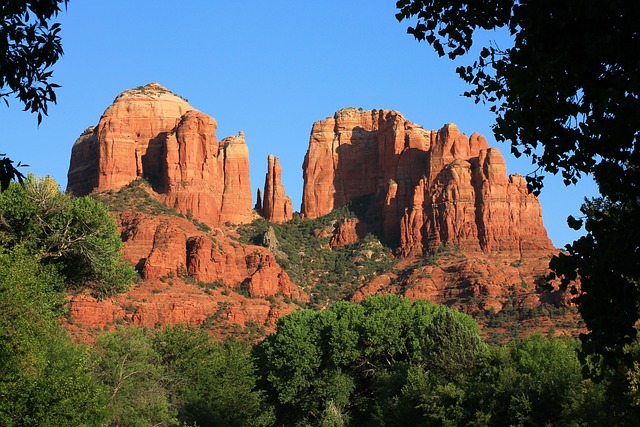
The world’s iconic desert landscapes have long captivated travelers seeking awe-inspiring experiences and unique cultural exchanges. These vast, arid regions, with their towering sand dunes, rugged mountains, and sprawling salt flats, offer not just breathtaking scenery but also serve as powerful catalysts for travel and investment decisions. The allure of these landscapes goes beyond mere aesthetics; they tell stories of resilience, ancient civilizations, and the ever-changing relationship between humanity and nature.
For travelers, deserts provide a chance to disconnect from the hustle and bustle of daily life and immerse themselves in a different world. Places like the Sahara in North Africa, the Atacama Desert in South America, or the vast Australian Outback offer opportunities for adventure, exploration, and a deeper understanding of diverse ecosystems. Tourists are increasingly seeking immersive experiences, and these desert destinations deliver, fostering a sense of wonder and appreciation for the power of nature. This trend has significant implications for local economies, encouraging the development of sustainable tourism infrastructure and promoting cultural exchange initiatives.
In terms of real estate, iconic desert landscapes present both opportunities and challenges. While the demand for luxury retreats, eco-lodges, and adventure bases in these areas is growing, developers must navigate sensitive environmental and cultural considerations. Responsible development that respects the integrity of the landscape and supports local communities is crucial. Investing in sustainable tourism projects can ensure long-term economic benefits while preserving the authenticity that attracts visitors in the first place. By embracing responsible practices, desert regions can welcome travelers for generations to come, fostering a harmonious relationship between tourism and the preservation of these invaluable natural wonders.
Desert Conservation: Preserving Real Estate Treasures for Future Generations
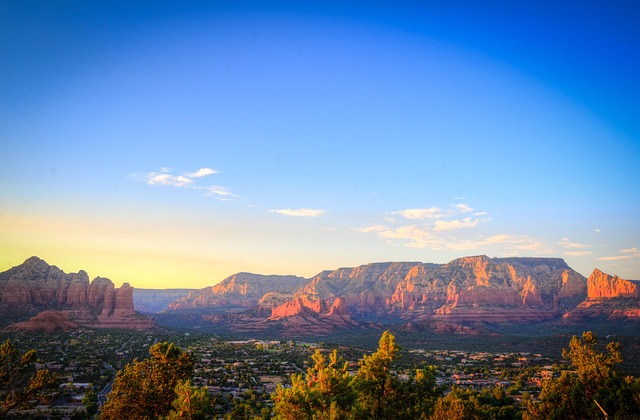
Desert landscapes, with their vast expanses of sand, rugged mountains, and otherworldly beauty, have long captivated visitors from around the globe. However, these iconic real estate treasures face significant challenges due to human activities and climate change. The conservation of desert ecosystems is not just an environmental imperative; it’s also crucial for preserving a valuable asset for future generations.
Conservation efforts in desert regions must address multiple factors, including habitat destruction, water scarcity, and invasive species. For instance, the rapid expansion of urban areas into sensitive desert zones has led to the loss of vital wildlife habitats. To mitigate this, strict land-use planning and protected areas are essential. Governments and environmental organizations can collaborate to enforce regulations that limit development in ecologically fragile areas, thereby ensuring the preservation of unique geological formations and biodiversity.
Moreover, sustainable water management is a cornerstone of desert conservation. As climate change intensifies, water scarcity becomes an increasingly pressing issue. Desalination and rainwater harvesting are among the innovative solutions being explored. Successful implementation requires partnerships between local communities, businesses, and policymakers to ensure equitable access to water resources while minimizing environmental impact. By adopting these strategies, we can safeguard not just the beauty of desert landscapes, but also their vital role in supporting local economies and ecosystems.