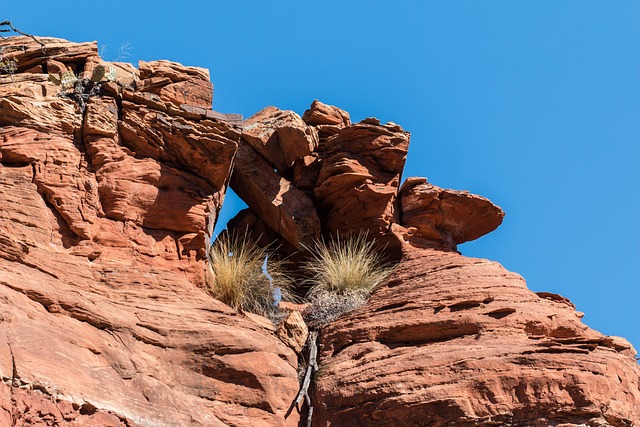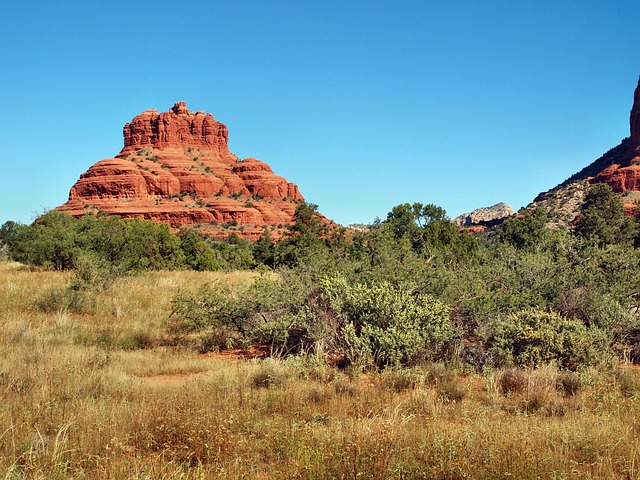
Red Rock Paradise experiences a surge in real estate interest due to its stunning natural beauty, hiking trails, and cultural attractions. Local developers construct eco-friendly accommodations, but must balance conservation with infrastructure development to preserve the area for future visitors. Red rock destinations offer unique travel experiences driving investment in rural areas; successful projects integrate local architecture, renewable energy, and ecological initiatives, preserving natural serenity while providing access to immersive adventures.
Red rock paradises, with their striking landscapes and unique geological formations, have become increasingly sought-after destinations for tourists worldwide. This growing trend poses both opportunities and challenges, particularly in the realm of real estate. As these areas become more popular, managing tourism while preserving the natural beauty and ecological integrity becomes crucial. This article explores strategies to navigate this delicate balance, offering insights into how local communities and developers can work together to create sustainable solutions that enhance the tourist experience without compromising the area’s inherent charm. By examining successful models, we aim to provide valuable guidance for fostering responsible growth in these natural wonders.
Red Rock Paradise: A Natural Tourist Magnet
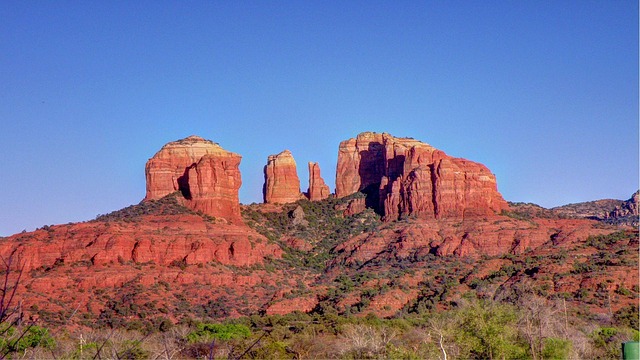
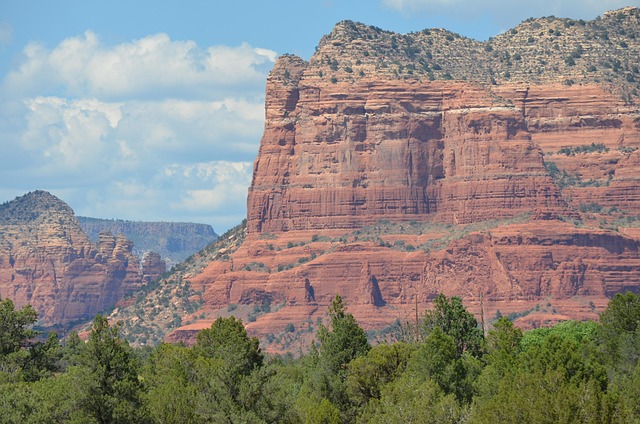
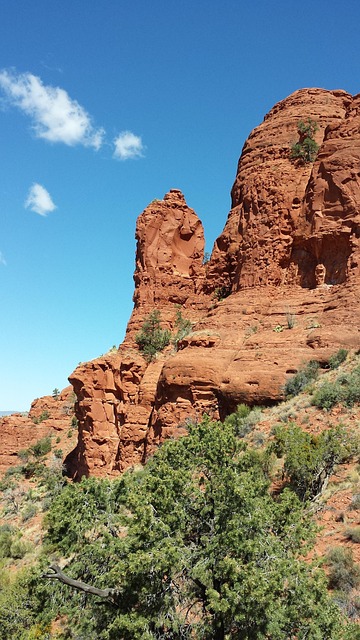
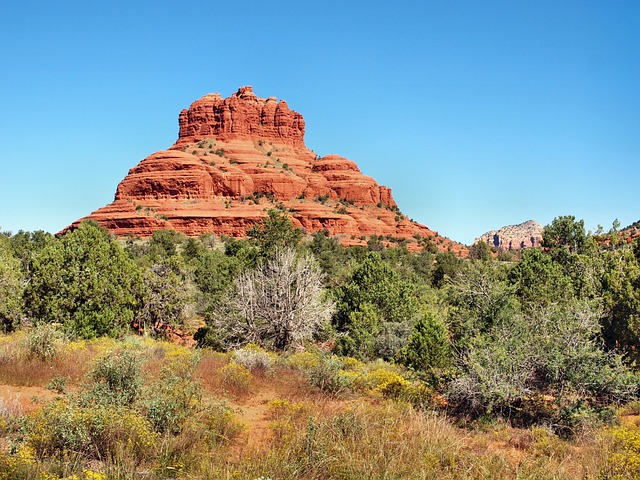
Red Rock Paradise, a breathtaking expanse of rugged terrain painted in vibrant hues of red, has emerged as a magnetic destination for tourists from around the globe. This natural wonder, characterized by its unique geological formations and vibrant colors, offers an unparalleled outdoor experience that draws visitors seeking adventure and relaxation. The area’s real estate market has witnessed a surge in popularity, with tourists flocking to secure accommodations that provide direct access to this untouched paradise.
The allure of Red Rock Paradise lies not only in its stunning visuals but also in the diverse recreational opportunities it offers. Hiking trails meander through towering red rock formations, attracting outdoor enthusiasts eager to explore every nook and cranny. Photography aficionados find their sanctuary here, captivated by the ever-changing light that casts dramatic shadows across the landscape at different times of day. Additionally, the area’s rich cultural history, intertwined with its natural beauty, adds depth to the tourist experience, making it a must-visit destination for those seeking an authentic, immersive journey.
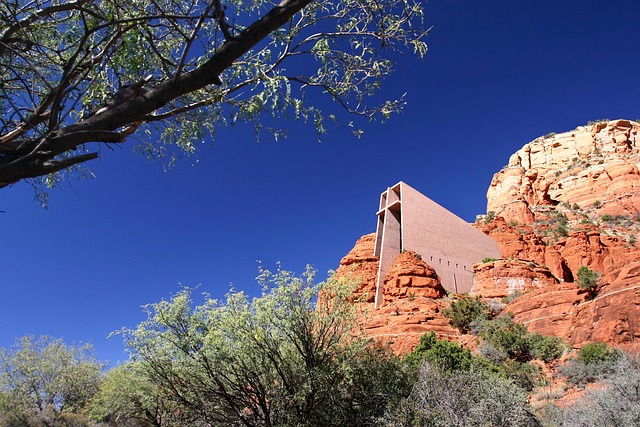
To cater to this influx of visitors, local real estate developers have been proactive in constructing eco-friendly accommodations that blend seamlessly into the surrounding environment. These establishments not only provide comfortable stays but also serve as gateway points to explore the area’s myriad attractions. As tourism continues to flourish, it is crucial for developers and local authorities to balance conservation efforts with infrastructure development to ensure this natural paradise remains intact for future generations of tourists and residents alike.
Real Estate Potential: Unlocking Rural Attractions
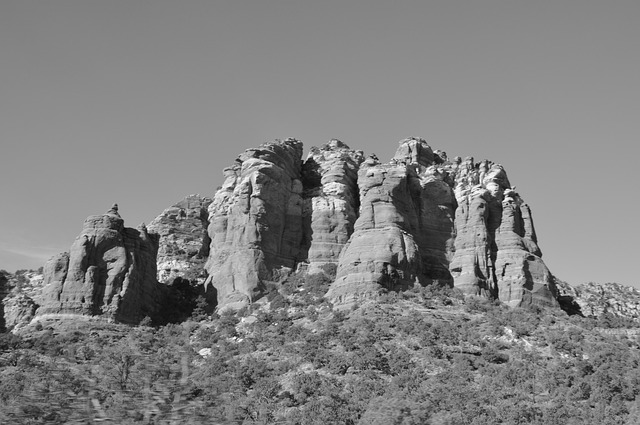
Red rock paradises, with their striking landscapes and serene atmospheres, have long been sought after by tourists seeking a tranquil escape from urban life. As these destinations gain popularity, a significant opportunity arises in the realm of real estate—the potential to unlock rural attractions and cater to a growing market of nature-loving visitors. This trend is particularly evident in various red rock formations worldwide, where the demand for unique and authentic travel experiences is driving development.
The natural beauty of these areas offers an unparalleled setting for luxury retreats, eco-resorts, and exclusive vacation homes. Real estate investors and developers are recognizing the value of acquiring land in close proximity to these iconic landmarks. For instance, a recent study revealed that properties within a mile of well-known red rock sites experienced a 15% higher sales growth compared to nearby areas. This trend highlights the increasing desirability of rural real estate, particularly for those seeking a peaceful lifestyle with easy access to tourist hotspots.
To capitalize on this opportunity, developers must consider creating sustainable and immersive experiences that blend luxury with nature’s serenity. Incorporating local architecture, utilizing renewable energy sources, and integrating with nearby ecological initiatives can enhance the appeal and longevity of these projects. For example, a resort nestled amidst red rocks could offer stargazing tours, guided hiking trails, and indigenous plant-based cuisine, providing guests with an educational and immersive experience. By understanding the unique characteristics of each location and tailoring real estate offerings accordingly, developers can unlock a thriving market for rural tourism while preserving the natural beauty that attracts visitors in the first place.
Exploring the Allure: Beyond the Scenic View

Red rock paradises have long captivated visitors with their breathtaking vistas, but delving deeper reveals a rich tapestry of experiences that go beyond mere scenic beauty. For tourists seeking authentic connections with these natural wonders, exploring the region’s real estate offers a gateway to immersive adventures. Beyond the iconic landmarks and bustling tourist spots, hidden gems await discovery—from historic towns nestled within canyons to secluded hiking trails that meander through vibrant landscapes.
This allure extends into the realm of real estate, where properties in prime locations provide unparalleled access to these natural treasures. Consider the serene desert retreats offering panoramic views of towering red rock formations, or the rustic cabins situated along scenic byways, allowing visitors to immerse themselves in the tranquility of the wilderness. These accommodations often double as bases for exploring nearby geological marvels, such as Monument Valley’s sacred mesas or Zion National Park’s breathtaking slot canyons.
For those seeking a deeper understanding and connection, local real estate professionals can guide tourists toward properties with rich historical narratives. Historic homes in charming, time-worn towns offer insights into the region’s past, while land parcels with remnants of ancient cultural significance provide opportunities for educational experiences. Ultimately, embracing these multifaceted attractions ensures that visitors not only enjoy the beauty but also gain a profound appreciation for the natural and cultural heritage of these red rock paradises.