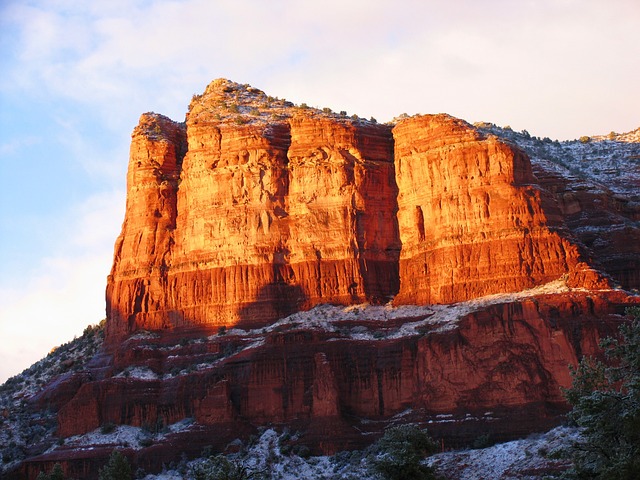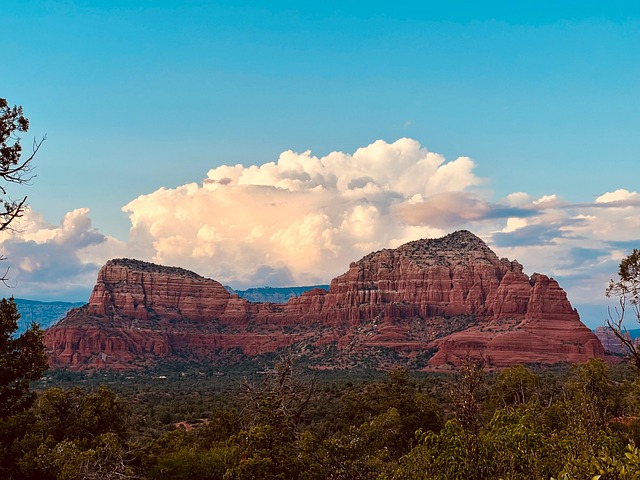
Deserts offer captivating real estate experiences with unique landscapes, diverse ecosystems, and hidden wonders. Iconic views drive premium property values globally. Challenges include visitor pressure and climate change, necessitating sustainable conservation practices in development. Balancing economic opportunities with environmental protection through eco-tourism is key to preserving these landscapes for future generations.
The allure of iconic desert landscapes captivates visitors worldwide, driving the global tourism industry and fostering economic growth in adjacent real estate markets. However, unsustainable development threatens these delicate ecosystems, leading to environmental degradation and loss of cultural heritage. This article explores the complex interplay between tourism, real estate, and conservation, offering insights into best practices for sustainable management. By examining case studies from renowned desert destinations, we preview innovative solutions that preserve ecological integrity while fostering economic vitality, ensuring these landscapes thrive for generations to come.
Unveiling Desert's Allure: Nature's Real Estate Marvels
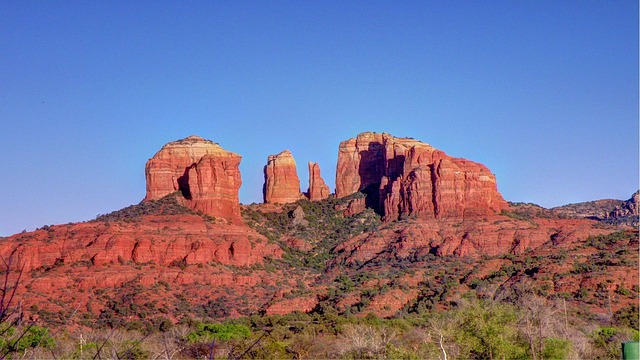
The desert, a vast expanse of seemingly barren terrain, captivates visitors with its unique allure—a testament to nature’s diverse real estate marvels. These landscapes, often misunderstood and underappreciated, offer a myriad of experiences that cater to various tastes, from the adventurous explorer to the serene contemplator. The iconic deserts of the world, with their dramatic vistas, serve as a reminder of the breathtaking beauty that can arise from extreme environments.
One of the most captivating aspects of desert landscapes is their ability to transform under the play of light and weather conditions. Sand dunes, sculpted by winds, create ever-shifting sculptures that mirror the dynamic nature of these ecosystems. For instance, the vast Sahara Desert in Africa boasts towering sand mounds and intricate patterns that can only be fully appreciated when viewed from aerial perspectives. This real estate of natural formations not only provides a breathtaking spectacle but also serves as a critical habitat for resilient plant and animal species.
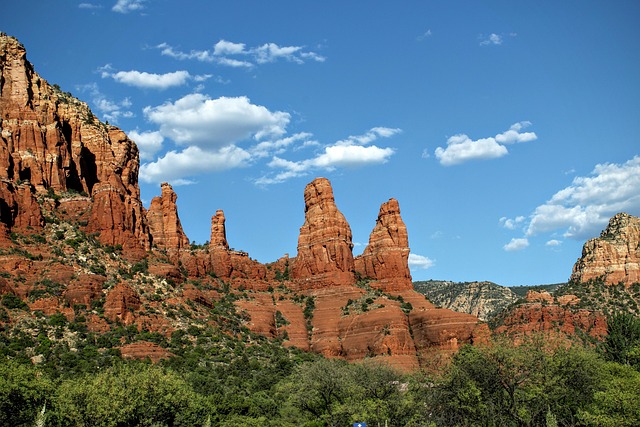
Moreover, deserts offer a unique opportunity to engage with some of the most pristine and untouched ecosystems on Earth. The vastness of these landscapes encourages a sense of perspective and humbleness in visitors. Activities such as hiking through the red rocks of Utah’s Arches National Park or camping under the starry sky in Australia’s Simpson Desert provide experiences that foster a deeper connection with nature. Engaging in real estate adventures within deserts allows individuals to discover hidden oases, ancient ruins, and geological wonders, enriching their travel memories.
To fully uncover the desert’s allure, visitors are encouraged to embrace slow exploration. This approach allows for the discovery of micro-ecosystems and unique flora and fauna that thrive in these harsh conditions. Additionally, local communities often have deep-rooted knowledge of the desert’s secrets, offering insights into sustainable practices and traditional land management techniques. By embracing these cultural exchanges, travelers can gain a more nuanced understanding of these landscapes, ensuring responsible and respectful interactions with nature’s real estate treasures.
Iconic Landscapes: Drawing Visitors, Driving Real Estate Value
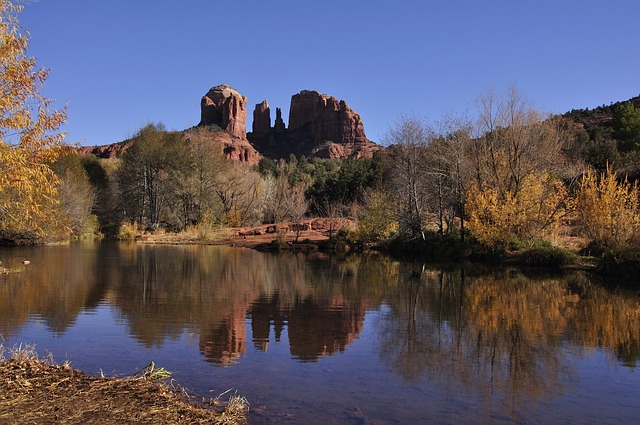
Iconic desert landscapes have long captivated visitors with their otherworldly beauty, drawing them to remote corners of the globe. These breathtaking vistas not only offer a unique aesthetic experience but also significantly influence real estate values in surrounding areas. The allure of vast sand dunes, majestic mesas, and pristine oases creates a powerful pull for tourists seeking escapism and adventure. This trend has led to a surge in the development of luxury resorts, eco-lodges, and exclusive vacation homes, capitalizing on the demand for immersive desert getaways.
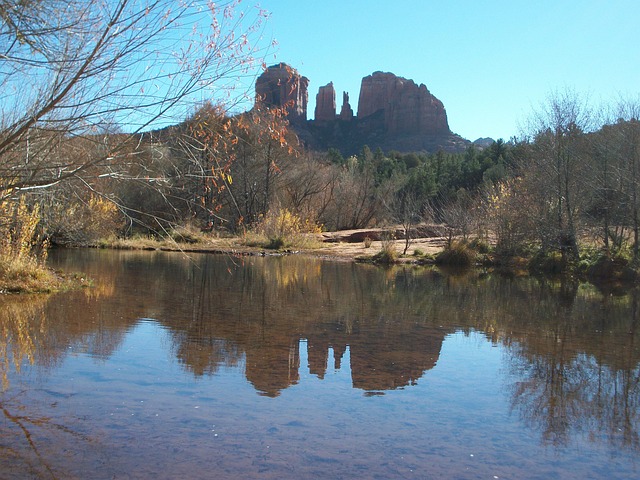
The impact on local real estate markets is profound. Properties offering direct access or panoramic views of these iconic landscapes often command premium prices. For instance, real estate in regions like Nevada’s Red Rock Canyon or Morocco’s Atlas Mountains experience higher property values and quicker sales due to their scenic appeal. Developers have strategically positioned high-end residences and vacation rentals with strategic orientation to maximize the stunning natural backdrops, creating exclusive communities that attract a global clientele.
To capitalize on this trend, real estate professionals must recognize the unique selling points of iconic desert landscapes. Incorporating these natural wonders into marketing strategies can enhance property appeal. Whether through professional photography showcasing breathtaking vistas or offering virtual tours emphasizing the proximity to renowned landmarks, such tactics engage potential buyers and tenants. Additionally, understanding the specific preferences of desert landscape enthusiasts allows for tailored property presentations, ensuring a competitive edge in an increasingly globalized market.
Sustaining Beauty: Desert Conservation for Future Generations

The iconic desert landscapes, with their vast expanses of sand, towering dunes, and otherworldly beauty, have long captivated visitors from around the globe. However, these fragile ecosystems face significant challenges due to increasing visitor pressure, climate change, and ill-planned development. To preserve this natural wonder for future generations, sustainable conservation practices in real estate development are crucial.
Conservation efforts must balance economic opportunities with environmental protection. For instance, many desert regions have thriving eco-tourism industries, providing an incentive for local communities to safeguard these landscapes. Implementing strict regulations on visitor numbers and routes, as well as encouraging responsible tourism practices, can help minimize the impact of human activity. Additionally, integrating renewable energy sources and sustainable water management strategies in real estate development can significantly reduce the ecological footprint.
Expert perspectives suggest that collaborative approaches involving governments, local communities, conservation organizations, and developers are essential for success. Restoring native vegetation, monitoring wildlife populations, and creating protected areas are integral components of these partnerships. By adopting best practices and sharing knowledge, stakeholders can ensure that desert landscapes remain intact and vibrant for years to come, offering a profound connection between humanity and nature for both locals and visitors alike.