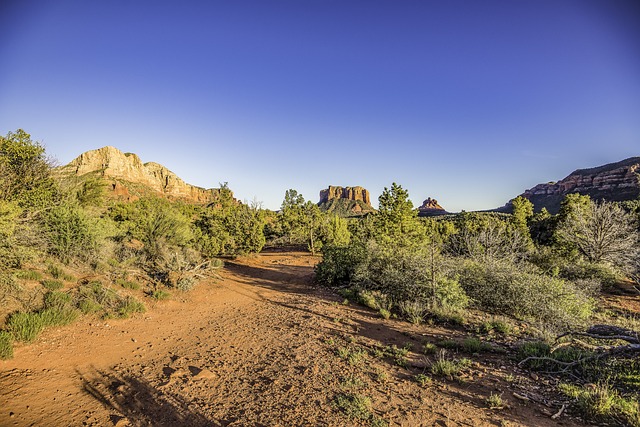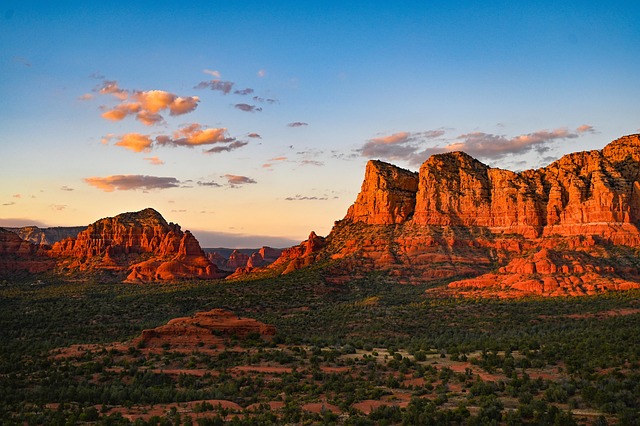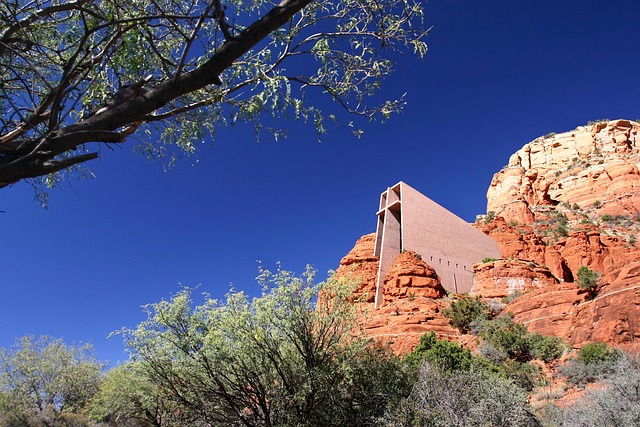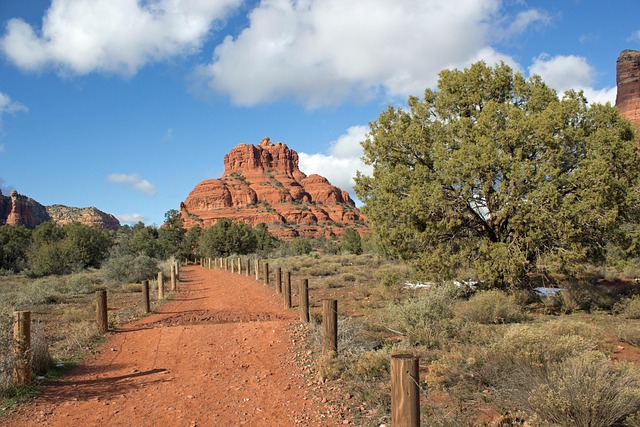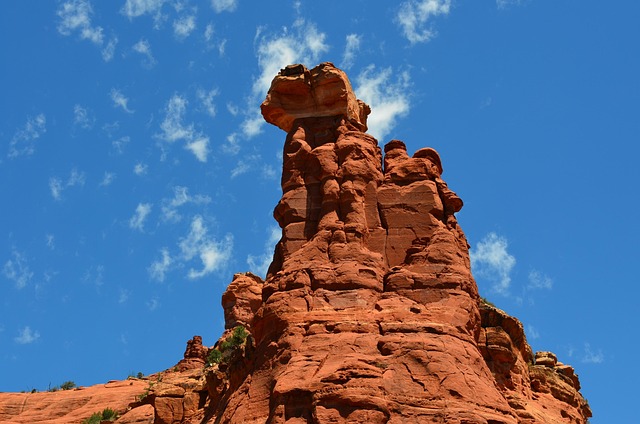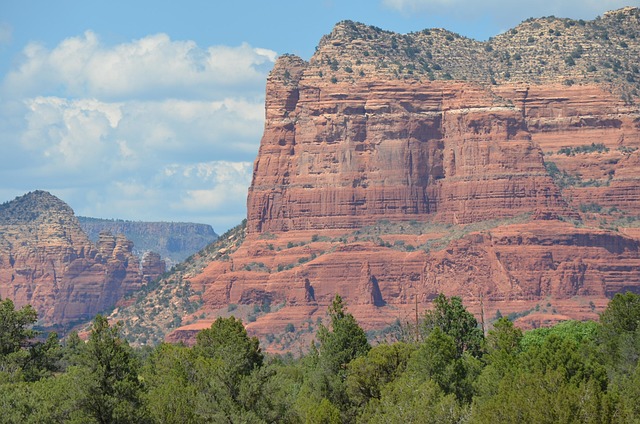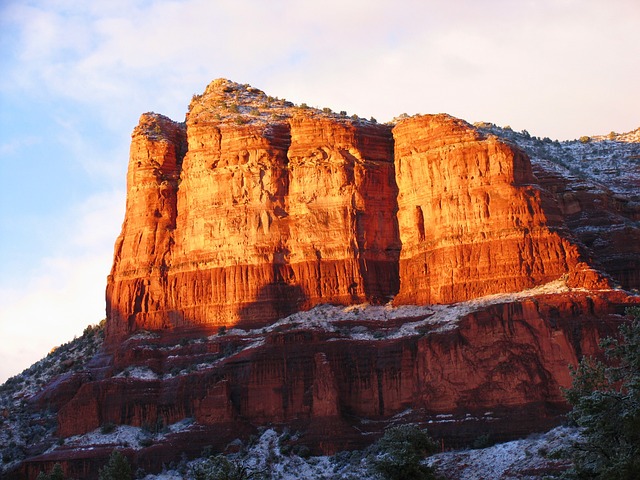
Red rock landscapes drive global tourism, boosting local real estate markets. Developers invest in sustainable infrastructure to accommodate visitors while preserving environments. Balancing growth and conservation ensures these iconic sites remain intact for future generations. Real estate professionals capitalize on this by focusing on understanding regulations, identifying high-potential areas, and adopting sustainable design practices. Experiential tourism, emphasizing unique sensory experiences, attracts repeat visitors. Collaborations between local businesses and tourism boards, leveraging social media, promote sustainable practices while highlighting natural beauty and diverse attractions. Real estate naturally thrives in these environments, offering prime locations for accommodations near outdoor attractions.
Red rock landscapes, with their striking beauty and diverse ecosystems, have long been a magnet for tourists worldwide. As travel trends shift towards immersive, nature-focused experiences, the demand for unique destinations continues to soar. However, this surge in tourism presents challenges for local communities and real estate developers alike, particularly in preserving the natural integrity while fostering sustainable growth. This article delves into the intricate relationship between red rock paradises, tourist attractions, and real estate, offering insights into strategies that balance economic development with environmental stewardship.
Red Rock Wonders: Nature's Calling Tourists
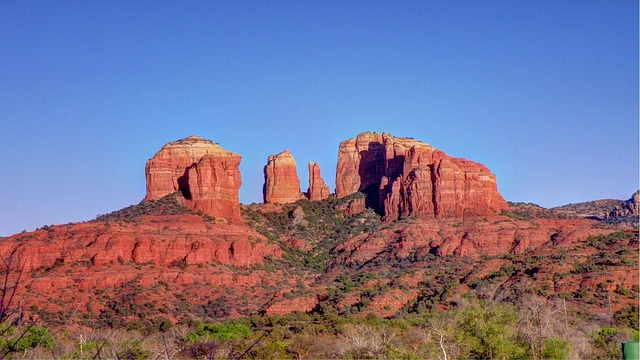
Red rock formations have long captivated humans with their otherworldly beauty and majestic allure. These geological wonders, often characterized by vibrant hues of red, orange, and pink, create a captivating backdrop that has increasingly become a draw for tourists worldwide. The natural aesthetics of these rock structures extend far beyond aesthetic pleasure; they offer a unique outdoor experience, inspiring a sense of awe and connection to nature. This trend has significantly impacted the local tourism industry and real estate market in many regions blessed with such natural treasures.
Tourism trends reveal that visitors are drawn to these destinations for activities like hiking, rock climbing, and photography, all centered around the iconic red rock formations. Places like Zion National Park in Utah, Sedona in Arizona, and Red Rock Canyon in Nevada have become popular tourist hotspots, each boasting distinct yet equally stunning landscapes. The impact of this influx is evident in the growth of eco-tourism initiatives aimed at preserving these fragile ecosystems while providing visitors with enriching experiences. Local real estate naturally benefits from such popularity, with accommodations and vacation rentals in proximity to these wonders becoming highly sought after.
To cater to this market, developers and property managers are strategically investing in sustainable tourism infrastructure. This includes the creation of eco-friendly resorts, vacation homes, and vacation rental communities that offer easy access to hiking trails, scenic drives, and other outdoor activities. The success of these ventures lies in balancing economic growth with environmental conservation, ensuring that future generations can also appreciate and experience these natural wonders. By embracing responsible tourism practices, local communities can thrive while preserving the very essence that attracts visitors in the first place.
Real Estate Insights: Paradise Found in Red Rocks
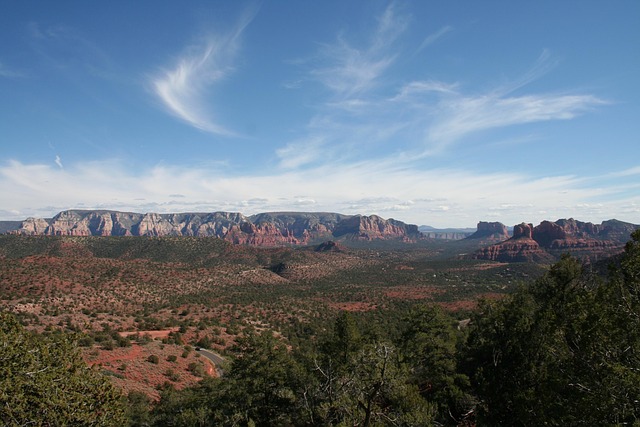
The red rock landscapes of certain regions have long captivated visitors, offering more than just scenic beauty—they represent a unique real estate opportunity. This natural phenomenon, characterized by vibrant hues of red, orange, and pink, creates a breathtaking backdrop that draws tourists from around the globe. As travel trends continue to favor immersive, destination-focused experiences, the demand for real estate in these areas is on the rise.
Real estate professionals recognize this trend and are strategically positioning themselves within these popular destinations. For instance, Utah’s iconic red rock formations have experienced a surge in property values as visitors become residents, drawn by the area’s stunning scenery and outdoor recreation opportunities. This shift presents investors and developers with a promising market, where well-located properties can offer both financial returns and a connection to nature that is increasingly sought after.
To capitalize on this trend, real estate agents suggest focusing on key factors: understanding local zoning laws and development regulations, identifying areas with high tourism potential yet relatively lower property values, and prioritizing sustainable design practices that blend with the natural environment. By combining these strategies, professionals can guide clients towards investments that not only thrive in a popular tourist destination but also contribute to the preservation of its unique character.
Tourist Attraction Strategies: Harnessing Red Rock Magic
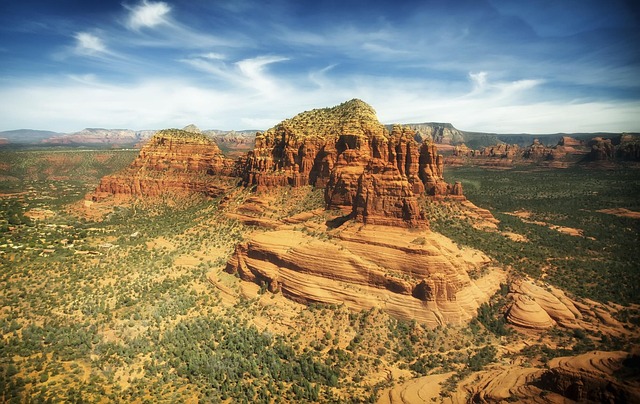
The allure of red rock landscapes has long captivated tourists, drawing them to destinations like Sedona, Arizona, renowned for its striking sandstone formations. To harness this natural magic as a tourist attraction strategy, destinations must offer unique experiences that engage visitors’ senses and ignite their imaginations. Real estate plays a crucial role in this, as well-designed accommodations and scenic viewpoints can enhance the overall visitor experience. For instance, luxury resorts nestled amidst red rock cliffs can provide guests with panoramic vistas, while guided hikes through these geological wonders allow tourists to connect with nature on a deeper level.
Data suggests that experiential tourism is on the rise, with travelers seeking authentic, immersive adventures. By leveraging the dramatic landscapes and incorporating them into curated activities, destinations can cater to this trend. Offerings might include stargazing tours highlighting the dark sky preserve status of certain areas, off-road vehicle excursions through rugged terrain, or even art workshops inspired by the region’s unique aesthetics. These strategies not only attract tourists but also encourage repeat visits as visitors seek new ways to immerse themselves in the red rock paradise.
To maximize the impact, local businesses and tourism boards should collaborate on marketing campaigns that highlight the destination’s natural beauty and diverse attractions. Utilizing social media platforms with visually appealing content can showcase hidden gems and inspire travel enthusiasts. Additionally, promoting sustainable tourism practices ensures that the fragile ecosystem is preserved for future generations to appreciate. This balanced approach fosters a positive tourist experience while safeguarding the very essence that draws visitors in—the enchanting red rock magic.