Stunning hiking trails attract ecotourists, boosting property values near their routes. Developers can strategically integrate trail access into residential communities, appealing to nature enthusiasts for higher resale values. When planning a hike, consider seasonal transformations and proper gear. Trails like the Appalachian or Inca Trail offer physical challenges and cultural connections; closer options include the Pacific Crest Trail. Selecting a trail matching fitness level ensures a memorable experience enhancing appreciation for nature. Real estate naturally blends with spectacular scenery along these scenic routes.
In the realm of outdoor recreation, hiking trails offer not just physical exercise but also a connection to nature’s breathtaking beauty. Stunning views from these trails elevate the experience, attracting adventurers and scenic seekers alike. However, the surge in popularity poses challenges for Real Estate naturally, as trails can strain local infrastructure and disrupt natural habitats. This article delves into the art of designing and preserving hiking trails that balance accessibility with environmental stewardship. By exploring innovative solutions and expert insights, we aim to provide valuable guidance for creating lasting outdoor experiences that thrive without compromising nature’s integrity.
Discovering Heavenly Trails: Unveiling Scenic Real Estate

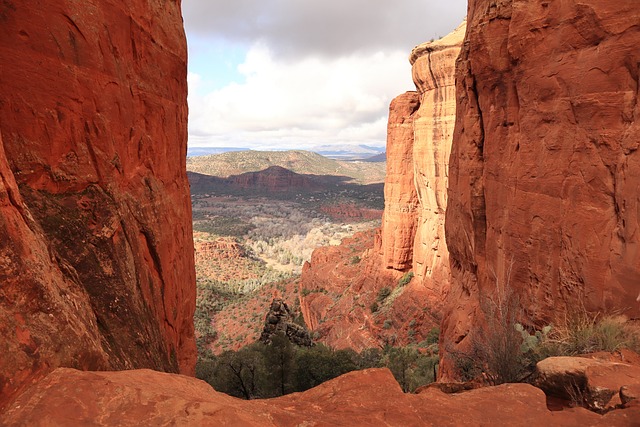
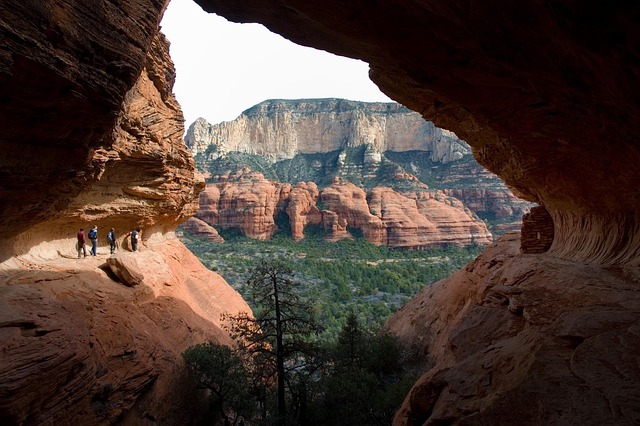
Hiking trails offering breathtaking views are not merely recreational routes; they unlock a world of real estate opportunities for nature enthusiasts and outdoor aficionados. These scenic byways not only enrich one’s appreciation for the natural environment but also present an array of investment prospects. Consider the allure of mountain ridges, where hiking paths can traverse through verdant forests, offering panoramic vistas of towering peaks. Such trails become the backbone of ecotourism, attracting visitors seeking immersive experiences in untouched landscapes.
The integration of hiking trails into real estate development is a strategic move that enhances property values and creates unique selling points. Properties bordering or accessible via scenic hiking routes often command premium prices due to their proximity to nature’s splendor. For instance, research shows that homes within walking distance of green spaces and trails experience higher resale values compared to those in more urbanized areas. Developers can capitalize on this trend by designing residential communities that seamlessly blend with the natural setting, ensuring residents enjoy easy access to hiking trails and preserving the area’s ecological integrity.
When exploring investment opportunities in trail-adjacent real estate, it’s crucial to consider factors like trail maintenance, accessibility, and local community engagement. Well-maintained trails that cater to a diverse range of hikers attract larger audiences, thereby increasing footfall near nearby properties. Engaging with local hiking communities and understanding their preferences can help developers create offerings that resonate with potential buyers or renters. By embracing the synergy between hiking trails and real estate, developers can foster vibrant, nature-focused communities while contributing to the preservation of our planet’s stunning landscapes.
Planning Your Trek: Essential Considerations for Breathtaking Views

When planning a hiking trail adventure with the goal of securing stunning views, it’s crucial to approach your trek with a strategic eye. Consideration of the best time of year for optimal scenery, choosing routes that showcase diverse landscapes, and packing appropriate gear are essential components of an unforgettable journey. The natural world offers breathtaking real estate, from majestic mountainsides to serene valley floors, each presenting unique vistas. Researching local conditions is paramount; understanding seasonal changes ensures you capture the most vibrant displays nature has to offer.
For instance, many hiking hotspots experience a dramatic transformation across seasons. Wildflowers may bloom exuberantly in spring, painting the terrain with colors that contrast sharply against the backdrop of snow-capped peaks. Autumn brings its own spectacle as leaves change hues, creating a tapestry of reds, oranges, and golds. Summer might offer clearer skies, ideal for admiring distant ranges, while winter’s crisp air can provide unique perspectives with trees bare and snow-covered peaks glistening in the sunlight.
To maximize these opportunities, hikers should plan ahead. Check local weather forecasts and consider starting your trek during periods of favorable conditions. Additionally, consulting trail maps to identify vantage points along the route allows you to set specific goals for capturing those iconic moments. Remember, proper preparation enhances not only the experience but also ensures your safety in often unpredictable outdoor environments.
Top Picks: Hiking Paths with Stunning Natural Landscapes

When it comes to breathtaking experiences, hiking trails offering stunning views are at the top of many outdoor enthusiasts’ lists. These scenic routes not only provide physical exercise but also a chance to immerse oneself in nature’s beauty. Top picks for such paths often lie in regions known for their diverse and dramatic landscapes, where real estate naturally blends with spectacular scenery. For instance, the Appalachian Trail in the eastern United States stretches over 2,000 miles, showcasing everything from dense forests to towering mountains and cascading waterfalls.
One of the most renowned hiking trails globally is the Inca Trail to Machu Picchu in Peru. This ancient path winds through cloud forests, alongside rushing rivers, and across high mountain passes, culminating at the remarkable abandoned Incan city. Such trails not only offer physical challenges but also opportunities for profound cultural connections and a deeper understanding of history. For those seeking diverse ecosystems and breathtaking vistas closer to home, the Pacific Crest Trail in North America promises an epic journey through seven states, from the coastal forests of California to the desert landscapes of Nevada and Utah.
Choosing the right hiking trail involves considering factors like difficulty, duration, and the type of scenery you desire. Researching local conditions, including seasonal changes that can impact accessibility and visibility, is crucial. Remember that some trails may be more crowded during peak seasons, while others offer solitude amidst untouched natural landscapes. Whether you’re a seasoned hiker or just beginning, selecting a trail that aligns with your fitness level and interests ensures a memorable experience that fosters a deeper appreciation for the natural world.