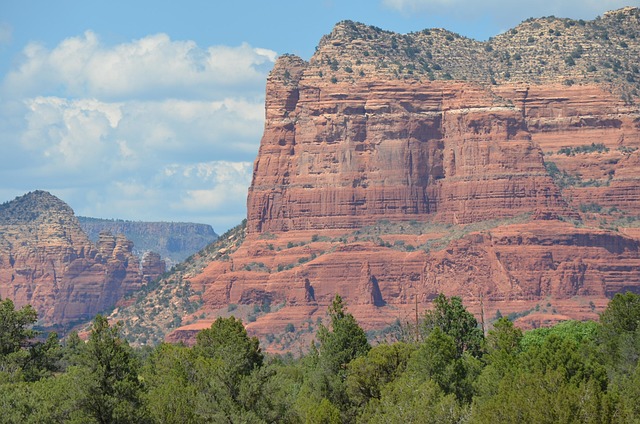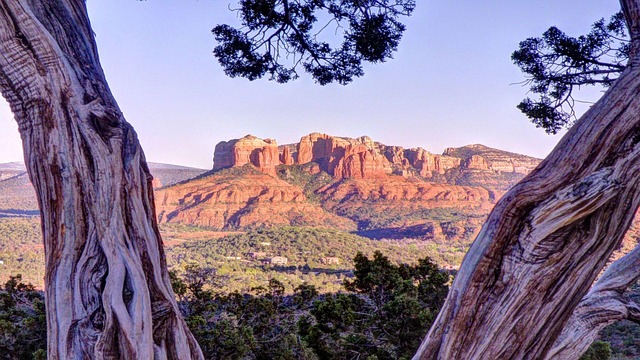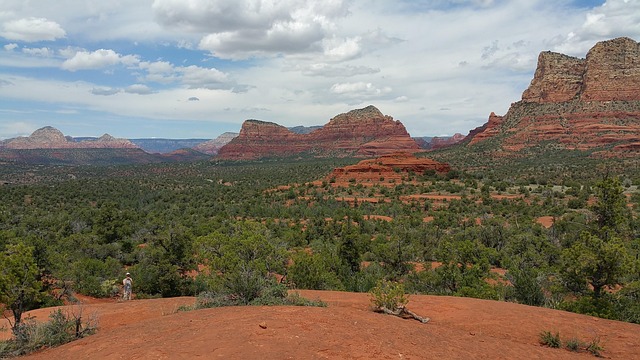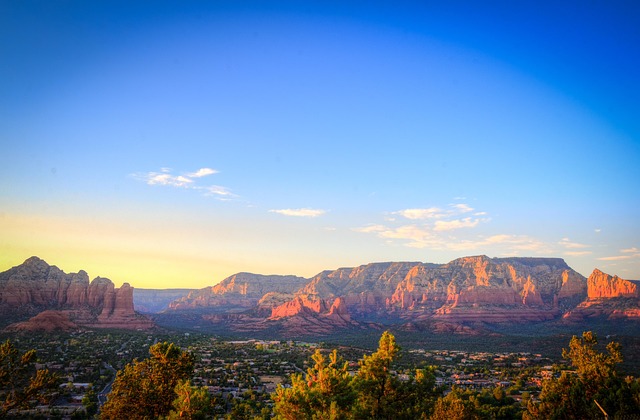
Spiritual Vortex retreats blend holistic practices with natural surroundings for comprehensive rejuvenation. Real estate choices are strategic, focusing on locations amplifying therapeutic effects through factors like geomancy and sacred sites. With rising wellness travel demand—projected at $208 billion by 2024—these retreats offer ancient wisdom combined with modern wellness to foster profound personal growth in serene settings. Nature's healing power drives this trend, attracting those seeking transformative experiences in mountain cabins, lakefront villas, or forest retreats. Real estate plays a crucial role in creating immersive, accessible spaces that maximize the impact of these retreats.
In today’s fast-paced world, the pursuit of spiritual well-being has gained significant traction, with wellness retreats becoming a sought-after escape for those seeking tranquility and self-discovery. This trend reflects a growing awareness of the mind-body-spirit connection and the desire to disconnect from the hustle and bustle of everyday life. However, finding authentic experiences within this burgeoning industry can be challenging. We offer a solution: exploring spiritual vortices through specialized wellness retreats, embedded in captivating natural landscapes that serve as the ultimate real estate for inner transformation.
Unveiling Spiritual Vortex: A Unique Wellness Journey

Spiritual Vortex represents a unique and transformative experience within the wellness retreats landscape. This concept, rooted in the interplay of spiritual energy and natural surroundings, has garnered significant interest from individuals seeking holistic rejuvenation. Unlike conventional retreat models focused on yoga or meditation alone, Spiritual Vortex immerses participants in a multi-dimensional journey that intertwines physical, mental, emotional, and spiritual well-being.
At its core, this approach leverages the intrinsic connection between humans and the environment, utilizing natural landscapes as a conduit for profound personal growth. Consider a retreat nestled within a serene forest or along a mystical coastline – these settings become catalysts for introspection and reconnection to one’s inner self. Experts in holistic healing and spiritual guidance facilitate activities such as guided meditations, energy healings, and nature-based ceremonies, each meticulously designed to unlock hidden potentials and cultivate a deeper sense of peace.
The real estate aspect plays a pivotal role in the success of Spiritual Vortex retreats. Location choice is not merely aesthetic; it’s a strategic decision that amplifies the therapeutic effect. For instance, properties with abundant natural light, positive geomancy, or proximity to sacred sites can significantly enhance the overall experience. According to recent market trends, demand for wellness travel experiences is on the rise, with global spending projected to reach $208 billion by 2024 (Source: Statista). This shift reflects a growing recognition of the mind-body-spirit connection and the value of immersive, nature-centric healing practices.
To maximize the impact of a Spiritual Vortex retreat, organizers should focus on creating an inclusive, safe space that encourages participants to let go of their daily routines and embrace a state of present-moment awareness. This involves meticulous planning, from curating meaningful activities to ensuring accessibility for all. By merging the ancient wisdom of spiritual traditions with modern wellness practices, these retreats offer a transformative experience that resonates deeply with those seeking profound personal growth in a serene natural setting.
The Role of Nature: Real Estate as a Healing Tool

The natural world has long been recognized as a powerful healer, and this understanding has given rise to a profound shift in how we perceive wellness retreats and real estate. In today’s fast-paced and often stressful modern life, seeking solace and rejuvenation in more natural settings is becoming increasingly popular. The concept of spiritual vortices, where energy is said to be particularly concentrated, adds another layer of allure to certain locations, drawing individuals seeking profound transformative experiences.
Real estate naturally plays a pivotal role in facilitating this trend by offering opportunities to immerse oneself in pristine environments. Whether it’s a secluded mountain cabin, a serene lakefront villa, or an eco-friendly retreat nestled within ancient forests, these spaces become catalysts for healing and spiritual growth. Research suggests that spending time in nature can significantly reduce stress, improve mood, and enhance overall well-being, with studies indicating that even brief interactions with natural environments can have positive effects on mental health (Bratman et al., 2015). This realization has led to a surge in the development of wellness retreats, designed specifically to capitalize on these benefits.
Experts in holistic health and spirituality often emphasize the importance of connecting with nature as an integral part of healing and personal growth. For instance, certain rituals, such as forest bathing (shinrin-yoku), have been practiced for centuries in Japan, combining mindfulness practices with time spent in natural settings to promote relaxation and reduce stress levels. As the demand for wellness retreats continues to grow, real estate developers and investors are taking note, recognizing the potential for creating sustainable, nature-centric spaces that cater to this expanding market. This shift not only offers individuals opportunities for transformative experiences but also contributes to conservation efforts by promoting responsible development practices in ecologically sensitive areas.
Designing Retreats: Creating Spaces for Transformation

Designing retreat spaces that facilitate spiritual transformation requires a thoughtful blend of architecture, landscape design, and intuitive real estate choices. Experts agree that creating environments that evoke a sense of tranquility, connection to nature, and inner reflection is paramount for meaningful healing and growth experiences. For instance, incorporating natural light, organic materials, and water features has been shown to enhance meditation practices and overall well-being according to a study by the International Journal of Environmental Research and Public Health.
The layout of retreat facilities should encourage movement between different experiential zones—from serene meditation gardens and yoga studios to workshop spaces and communal dining areas. This careful planning allows attendees to navigate their personal journeys at their own pace, fostering both individual exploration and community building. Consider a meandering path leading to a secluded pond, where participants can find solace for quiet reflection or participate in guided visualizations amidst the soothing sounds of nature.
Real estate plays a crucial role in retreat design, offering opportunities to cultivate specific atmospheres. For example, choosing sites nestled among towering trees or overlooking breathtaking landscapes can evoke a sense of being immersed in nature—a key component for many seeking spiritual renewal. Additionally, incorporating sustainable building practices and energy-efficient technologies not only reduces environmental impact but also communicates a commitment to holistic values, attracting participants aligned with these principles. By thoughtfully integrating natural elements, thoughtful architecture, and intentional real estate choices, retreat organizers can create truly transformative experiences that resonate deeply with attendees.