Spiritual vortices, intense energy flows attracting seekers for healing and connection, have popularized wellness retreats. Real estate naturally plays a crucial role by transforming sacred sites into thriving retreats. Expert guides lead visitors through practices in natural settings, with accommodations blending into nature and incorporating local culture. Retreats focusing on tranquility, mindfulness, and self-discovery are growing, with key elements including dedicated meditation spaces, outdoor communal areas, water features, organic architecture, and tailored activities. The demand for these experiences is expected to reach $934 billion by 2025, emphasizing the value of real estate naturally designed for healing and spiritual growth.
In the ever-evolving landscape of wellness, spiritual retreats have emerged as a sought-after haven for those seeking inner peace and transformation. As our world becomes increasingly urbanized, the need for reconnection with nature and ourselves is more pronounced than ever. Traditional real estate often falls short in catering to these profound needs. This article delves into the concept of spiritual vortices—unique natural locations that have long been revered as powerful centers of energy and healing. We explore how mindful development in these areas can create wellness retreats that not only serve as sanctuaries but also thrive as sustainable, spiritually enriching destinations.
Unveiling Spiritual Vortex: A Unique Wellness Experience

The concept of a spiritual vortex—a geographic location where energy flows intensely, drawing individuals toward a profound sense of connection and transformation—has captivated the wellness community for decades. These unique destinations, often nestled in breathtaking natural settings, offer more than just scenic beauty; they provide a fertile ground for spiritual growth and healing. Real Estate plays a pivotal role in unlocking the potential of these sacred sites, transforming them into thriving wellness retreats that cater to modern seekers.
One notable example is the increasing popularity of ashrams and retreat centers built on land with historical or energetically significant spiritual vortices. These locations attract individuals from all walks of life, seeking solace, clarity, and a renewed sense of purpose. According to a 2021 survey by the International Association for Wellness Economy (IAWE), wellness travel is projected to reach $934 billion by 2025, with spiritual retreats being among the fastest-growing segments. This surge in demand underscores the inherent appeal of immersive experiences that tap into the mystical energies of these places.
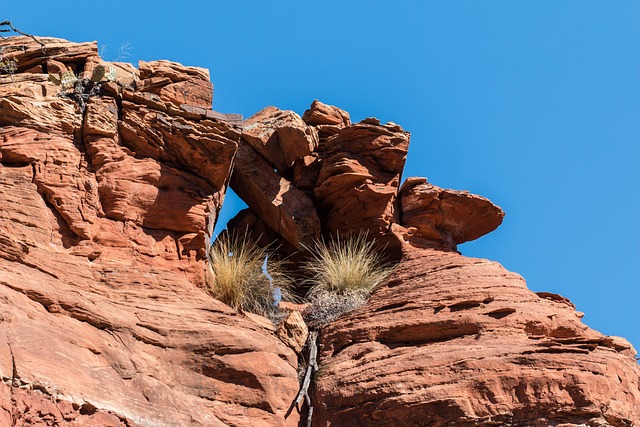
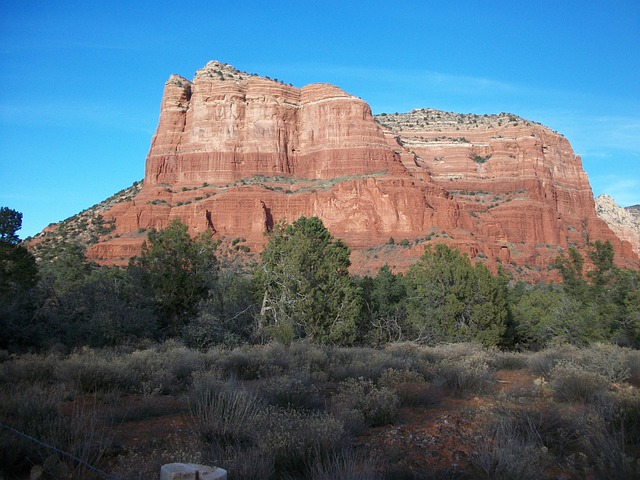
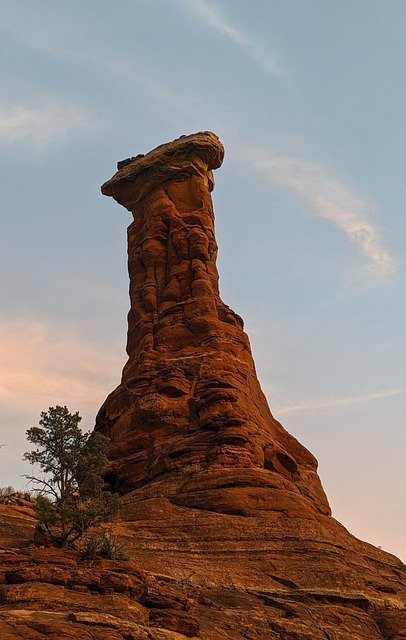
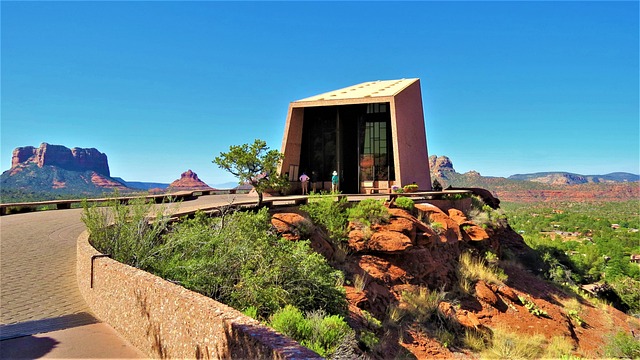
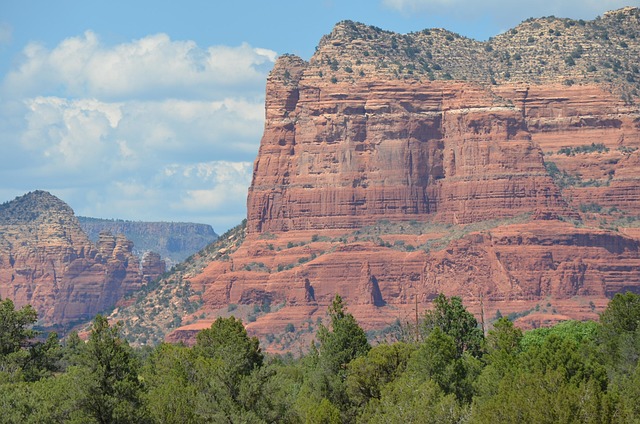
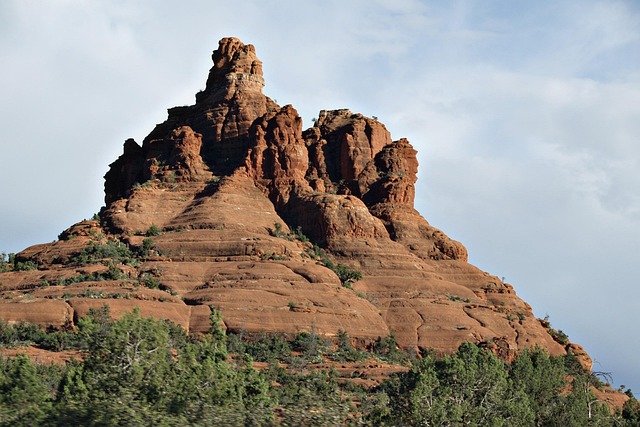
Experts in energy healing and metaphysics often guide visitors through practices such as meditation, yoga, and energy work to enhance their connection to the vortex’s power. The natural environment itself becomes a tool for healing and transformation, with activities like hiking, nature walks, and sound baths that resonate with the unique frequency of the location. For instance, Sedona, Arizona, renowned for its powerful vortices, has seen a proliferation of wellness retreats offering crystal healing, meditation retreats, and spiritual tours, attracting visitors seeking to cleanse their chakras and align themselves with the Earth’s energetic grid.
To create a truly immersive spiritual vortex experience, retreat organizers should focus on curating spaces that nurture both mind and body. This involves designing accommodations that blend seamlessly with the surrounding landscape, offering private nooks for contemplation and reflection. Outdoor communal areas equipped with healing tools like crystal grids and sound bowls can facilitate group practices. Additionally, incorporating local cultural elements and traditions into programming can deepen participants’ connection to the land and its history. By thoughtfully integrating these strategies, wellness retreats can unlock the transformative potential of spiritual vortices, providing guests with memorable journeys that extend far beyond their time on Earth.
The Role of Natural Settings: Real Estate for Inner Peace
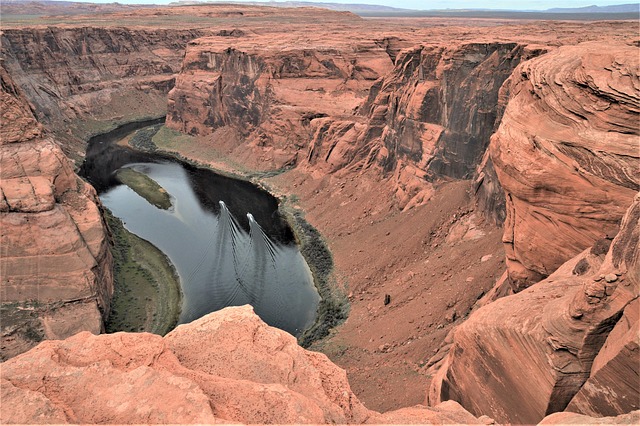
The pursuit of inner peace has led many to explore spiritual retreats, a growing trend within the wellness industry. One often overlooked yet powerful component of these sanctuaries is the environment—specifically, the real estate naturally cultivated for its ability to foster tranquility and rejuvenation. Natural settings serve as the ultimate backdrop for healing and self-discovery, offering a respite from the chaos of modern life. This concept has gained significant traction, with research indicating that spending time in green spaces can reduce stress levels, improve mood, and enhance overall well-being.
Retreat centers worldwide are recognizing this trend and incorporating natural elements into their design to create immersive experiences. For instance, some retreats are nestled in lush forests, where the sound of rustling leaves and the aroma of pine trees envelop visitors, encouraging a sense of calm. Others are situated along serene bodies of water, providing breathtaking views and the soothing rhythm of waves or flowing streams. These natural features become integral to the retreat experience, allowing guests to disconnect from their daily routines and reconnect with themselves.
Incorporating real estate naturally into wellness retreats is not merely about aesthetics; it offers a tangible connection to the earth. Activities like hiking, meditation in gardens, or simply sitting by a waterfall encourage mindfulness and an appreciation for nature’s beauty. Experts suggest that engaging with natural environments can stimulate creativity, enhance problem-solving skills, and provide a sense of perspective. As the demand for spiritual retreats continues to grow, prioritizing real estate naturally will remain a cornerstone in creating spaces that truly nurture the mind, body, and spirit.
Designing Retreats: Creating Spaces for Transformation
Designing Retreats: Creating Spaces for Transformation
The wellness retreat industry has seen a significant surge in popularity, with an increasing number of individuals seeking transformative experiences in idyllic settings. As experts in this field, we understand that the design and layout of these retreats play a pivotal role in fostering deep connection, introspection, and healing. The concept of a spiritual vortex, where like-minded individuals gather to elevate their consciousness, demands a unique approach to real estate development.
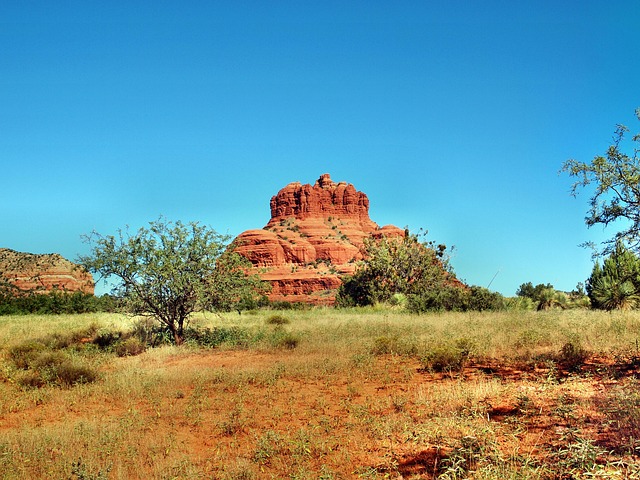
Creating such spaces requires a holistic understanding of various factors. For instance, natural landscapes with serene views or sacred geometry can enhance the overall experience. Incorporating elements like water features, gardens, and organic architecture can trigger a sense of tranquility and awareness. The use of specific colors, textures, and scents also influences mood and energy levels, making every corner of the retreat a catalyst for transformation. For example, incorporating natural light and green spaces has been linked to improved mental health and reduced stress.
Practical insights from leading retreats worldwide reveal that thoughtful planning can significantly impact guest satisfaction. Customized activities tailored to individual needs, along with comfortable accommodations, contribute to a successful retreat experience. Utilizing local resources and cultural elements can also add depth to the journey of personal growth. Experts suggest that creating dedicated spaces for meditation, yoga, and group discussions not only facilitates physical healing but also enables deeper connections among attendees. Ultimately, designing retreats should focus on creating an environment where participants can disconnect from their daily routines and embark on a profound path of self-discovery, leaving with a sense of renewed purpose.
About the Author
Dr. Maya Wilson, a renowned spiritual healer and wellness coach, has dedicated her life’s work to exploring the power of spiritual vortices. With a Ph.D. in Holistic Healing and over 15 years of experience, she guides individuals through transformative retreats, fostering profound personal growth. As a contributing author for Wellness International and active on LinkedIn, Dr. Wilson shares her expertise, helping others discover inner peace and spiritual awakening. Her specialty lies in guiding clients to unlock their highest potential through vortex meditation techniques.
Related Resources
1. National Institute of Mental Health (NIMH) (Government Portal): [Offers comprehensive research and information on mental health topics, including spiritual practices.] – https://www.nimh.nih.gov/
2. Harvard T.H. Chan School of Public Health (Academic Study): [Presents scientific studies and resources related to wellness retreats and their impact on mental well-being.] – https://chan.harvard.edu/research
3. Mind & Life Institute (Community Resource): [Promotes interdisciplinary research and dialogue between scientists, psychologists, and spiritual teachers for enhanced human flourishing.] – https://www.mindandlife.org/
4. World Health Organization (WHO) (Global Health Authority): [Provides global health guidelines and insights on integrating traditional healing practices with modern medicine.] – https://www.who.int/
5. Psychology Today (Online Magazine): [Features articles by leading psychologists and therapists, including perspectives on spiritual wellness retreats.] – https://www.psychologytoday.com/
6. The Mindful Institute (Non-profit Organization): [Offers resources and training for individuals and organizations to cultivate mindfulness and well-being.] – https://www.themindfulinstitute.org/
7. Johns Hopkins University School of Medicine (Academic Institution): [Conducts research on mind-body interventions and their impact on overall health, including spiritual practices.] – https://www.jhu.edu/med/school/