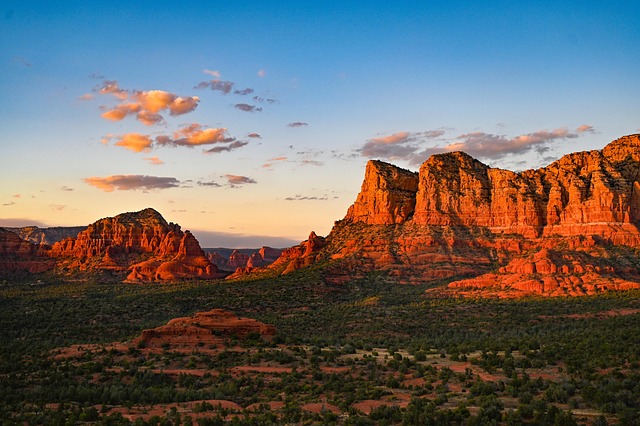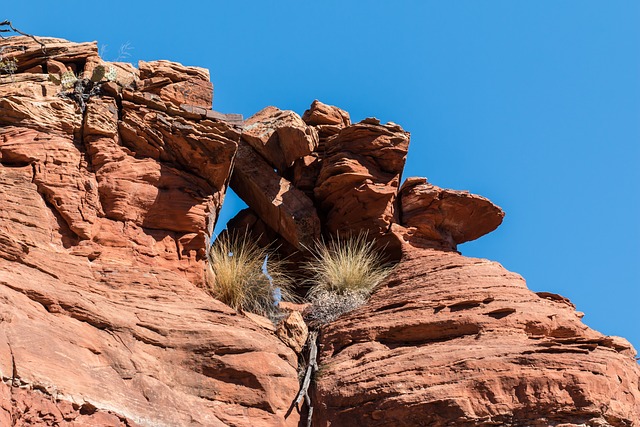
Red rock formations worldwide attract tourists seeking outdoor adventures and sustainable living amid stunning landscapes. Iconic locations inspire growth in local tourism industries, driving real estate development from rustic cabins to luxurious resorts. The "Paradise Effect" boosts local economies while emphasizing location-specific features and community engagement ensures preservation and prosperity for these natural destinations. Responsible tourism practices protect the environment and maintain the beauty of these areas for future generations.
Red rock landscapes, with their striking beauty and unique geological formations, have long captivated travelers seeking breathtaking destinations. As tourism flourishes, the focus shifts to sustainable development, especially in vulnerable natural areas. This article explores the challenges and opportunities presented by a booming tourist industry in a red rock paradise, delving into the intricate balance between economic growth and environmental preservation. We provide insights into how effective real estate planning and management can shape this region’s future, ensuring its natural wonders remain intact for generations to come.
Red Rock Wonderland: Nature's Attractive Real Estate

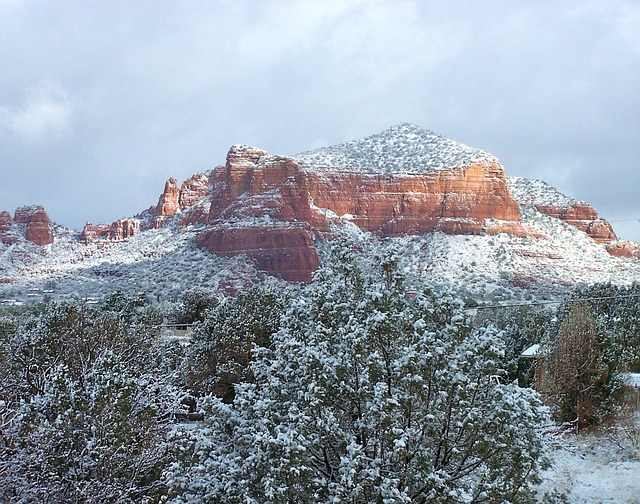
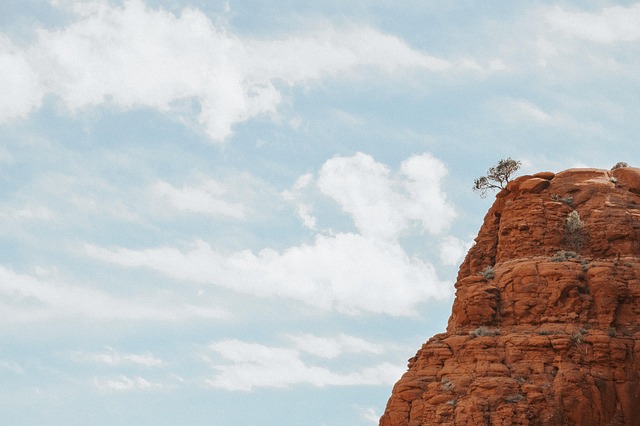
Red rock formations, with their striking hues and dramatic landscapes, have emerged as a magnet for tourists worldwide, offering more than just breathtaking vistas—they represent a unique real estate opportunity that seamlessly blends nature’s artistry with human habitation. This natural wonderland, often characterized by sandstone cliffs, canyons, and diverse ecosystems, has become a sought-after destination for those seeking a connection with the outdoors without compromising on modern comforts. The allure of red rock paradises lies not only in their visual appeal but also in the diverse range of outdoor activities they foster, attracting adventure enthusiasts and nature lovers alike.
From the iconic landscapes of Zion National Park in Utah to the vast expanses of Monument Valley in Arizona, these natural landmarks have inspired countless artists, photographers, and filmmakers while fostering a thriving tourism industry. The real estate market in such locations has responded by offering diverse accommodation options, from luxurious resorts carved into the red rock itself to rustic cabins nestled among towering cliffs. This integration of nature-inspired design with modern amenities reflects a growing trend—the fusion of outdoor living with high-end residential experiences. According to recent data, tourism in red rock destinations has seen consistent growth, with an estimated 10% increase in visitor numbers over the last five years, primarily driven by demand for unique and immersive travel experiences.
For real estate professionals and developers, this presents a strategic opportunity to cater to a discerning market segment that prioritizes sustainability, tranquility, and unparalleled natural beauty. Investing in sustainable construction practices and designing properties that minimize environmental impact can enhance the appeal of these destinations even further. Embracing local architecture styles inspired by the surrounding landscape can also foster a deeper connection between residents and their environment. Ultimately, the red rock wonderland represents not just a geographical feature but a lifestyle choice, one that is increasingly sought after in an era where nature-driven experiences and sustainable living are at the forefront of global trends.
Tourists' Journey: Exploring This Breathtaking Destination

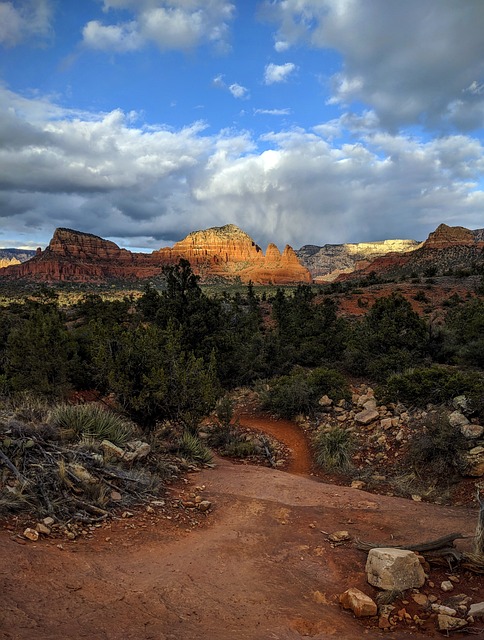
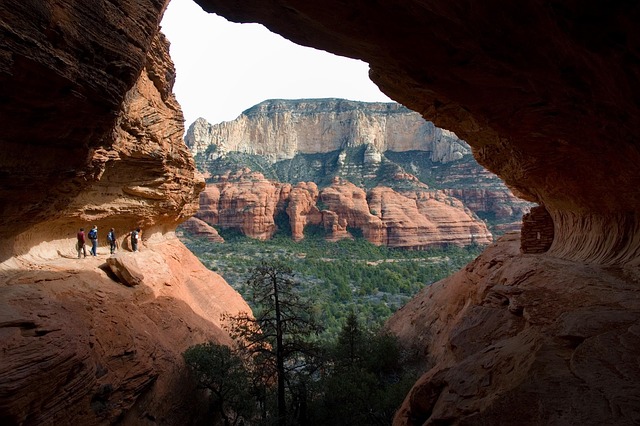
The allure of a red rock paradise has long captivated tourists seeking breathtaking landscapes and unique experiences. Destinations like Sedona, Arizona, have become synonymous with this ethereal beauty, drawing visitors from around the globe. These natural wonders not only offer stunning visuals but also provide a canvas for diverse activities, catering to various interests. Tourists embark on journeys to immerse themselves in this rugged terrain, exploring slot canyons, hiking through ancient forests, and discovering the rich geological history.
For many, the allure extends beyond the surface; it’s about connecting with nature and finding inner peace. Real estate in such areas has seen a surge in demand as folks seek permanent sanctuary amidst these paradises. The market offers a range of options, from rustic cabins nestled among red rocks to luxurious villas with panoramic views. This influx highlights the growing trend of individuals prioritizing well-being and seeking environments that foster tranquility and rejuvenation. As tourism continues to flourish, it’s essential for visitors and locals alike to preserve the delicate balance between enjoying these natural gems and safeguarding their long-term sustainability.
Practical advice for tourists includes planning ahead due to varying climates and terrain. Guided tours are recommended for first-timers, ensuring a safe and enriching experience. Additionally, respecting local regulations and adhering to sustainable practices while exploring these paradises is paramount. By doing so, visitors can ensure that the beauty of these destinations remains intact for future generations to appreciate.
The Paradise Effect: Real Estate Strategies for Touristic Hotspots

The allure of red rock landscapes has long captivated travelers, drawing them to destinations like Sedona, Arizona, known for its otherworldly beauty. This phenomenon, often dubbed “the Paradise Effect,” highlights the powerful impact that stunning natural environments can have on attracting tourists and fostering robust local economies through real estate development. As these areas gain popularity, understanding effective real estate strategies becomes crucial for both developers and communities to ensure sustainable growth.
The Paradise Effect is a result of the harmonious blend between breathtaking landscapes and modern amenities, creating an irresistible experience. For instance, Sedona’s diverse real estate market caters to various preferences, from luxury villas with panoramic views to cozy cabins nestled among the red rocks. This variety caters to a broad tourist base, ensuring year-round demand. Moreover, strategic development focuses on preserving the area’s natural charm while incorporating high-end infrastructure, making it an attractive destination for second homes and retirement living.
Real estate professionals in such hotspots must adapt to unique market dynamics. One key strategy is to emphasize location-specific features in marketing. For example, promoting properties with direct access to hiking trails or offering panoramic views can significantly enhance their appeal. Additionally, fostering community engagement and providing visitors with immersive experiences beyond traditional tourism can drive long-term interest. This might include partnering with local artists, hosting cultural events, or developing eco-conscious initiatives that protect the area’s natural integrity while encouraging exploration.
By adopting these strategies, real estate stakeholders can contribute to the preservation and prosperity of such paradisiacal locations. Balancing development with conservation ensures that these tourist hotspots remain vibrant for generations to come, providing both memorable experiences for visitors and sustainable livelihoods for local communities.